
Blog

Navigating Retail CBD Store Trends: Quality, Transparency, and Consumer Education
The retail CBD store landscape continues to evolve as customers seek clarity, consistency, and safe shopping experiences. Shelf variety has expanded, labeling has improved, and brands are refining formulations to meet changing preferences. Consumers want to understand what they are buying, how to interpret product information, and what responsible retailing looks like in practice. The following points outline key trends shaping how shoppers evaluate products and how retailers can foster trust without overpromising outcomes.
1. Transparent labeling and clear ingredients
Customers increasingly look for straightforward ingredient lists, batch numbers, and accessible certificates of analysis. Labels that explain cannabinoid profiles in plain language help shoppers compare options. When packaging clearly differentiates between product types and strengths, it reduces confusion and makes it easier to align choices with personal preferences. Transparency also includes publishing testing dates and lab partners, so buyers can verify product consistency over time.
2. Third-party testing as a trust anchor
Independent lab testing remains a cornerstone of retail credibility. Shoppers appreciate seeing documentation that verifies identity, purity, and the absence of unwanted contaminants. Retailers that keep certificates readily available—both in-store and online—make it simpler for customers to learn about quality controls. This approach also supports informed conversations on topics like serving size, product form, and how to interpret laboratory charts without implying medical outcomes.
3. Responsible education without health claims
Clear, non-medical education helps people navigate new categories and formats. Retailers can explain common product types, general differences among extracts, and proper storage. Staff training focused on compliance, product consistency, and safe use guidelines supports ethical retailing while avoiding health promises. Customers benefit from practical advice such as reading labels carefully, starting low with serving size, and tracking how products fit into personal wellness routines.
4. Evolving formats and customer preferences
The market now includes a wide range of product forms to match lifestyle needs. Consumers often consider portability, flavor, and ease of measuring serving size. Discreet formats are popular for on-the-go routines, while others prefer options that fit into daily rituals at home. Packaging innovations focus on freshness, tamper evidence, and clear dosing cues so shoppers can build habits that feel intuitive and consistent.
5. Ingredient innovations and the role of ADVANCED KRATOM ALKALOIDS
Some shoppers explore formulations that incorporate botanicals alongside hemp-derived ingredients. Discussions around ADVANCED KRATOM ALKALOIDS often center on sourcing clarity, responsible labeling, and accurate descriptions of what is—and is not—in a product. Retailers can help by prioritizing supply chain visibility and ensuring that any product featuring complex botanical profiles includes accessible documentation and plain-language explanations of composition.
6. Quality cues customers watch for
Shoppers evaluate more than pricing or flavor. They consider storage conditions, packaging integrity, and whether products are kept within recommended temperature and light exposure ranges. Retail environments that treat inventory with care signal a commitment to product reliability. Organized shelves, up-to-date test results, and clear category signage help customers navigate options efficiently and confidently.
7. Local compliance and ethical merchandising
Adherence to local and state rules guides everything from age verification to product placement. Ethical merchandising avoids exaggerated language and maintains consistent standards across brands. Retailers who implement compliant signage, provide accessible policies, and maintain documented procedures for verification and returns create a smoother shopping experience and reduce confusion at checkout.
8. Building informed routines through consistency
Customers value predictable experiences. Clear serving guidelines on packaging, batch-to-batch consistency, and stable product availability help shoppers develop reliable routines. Retailers can encourage journaling or simple note-taking so individuals can track preferences across product forms, strengths, and flavors. This consumer-led approach keeps decision-making grounded in personal observation rather than assumptions.
9. Community engagement and feedback loops
Open channels for feedback—through in-store conversations, responsibly moderated online platforms, or printed suggestion cards—help retailers identify what customers find most helpful. Insights from these conversations often lead to better shelf organization, improved educational materials, and refinements in product selection. When customers see their input reflected in-store, it reinforces a sense of clarity and trust.
10. A future shaped by documentation and clarity
As the category matures, documentation will continue to guide the shopper journey. Clear labels, accessible lab results, and responsible education form a practical foundation for informed purchases. Retailers that embrace these fundamentals help customers compare products confidently, understand ingredient choices such as ADVANCED KRATOM ALKALOIDS when present, and develop routines aligned with their individual preferences.
The retail CBD store environment thrives when clarity, quality, and compliance take center stage. Thoughtful merchandising, transparent documentation, and consumer-focused education create a steady path forward in a dynamic marketplace.

Retail CBD Store Trends and the Rise of ADVANCED KRATOM ALKALOIDS
1. Evolving product mixes in modern shops
Retail CBD stores continue to broaden their shelves to reflect consumer curiosity and changing preferences. Beyond familiar tinctures, gummies, and topical balms, many retailers curate diverse hemp-derived selections and adjacent botanicals. This wider mix emphasizes transparency, labeling clarity, and education so shoppers can compare formats, strengths, and ingredients with confidence. As the market matures, thoughtful curation helps visitors navigate a busy landscape and identify products that fit their routines and goals without guesswork.
2. Education-first merchandising for informed choices
Clear signage, plain-language explanations, and accessible resources have become a hallmark of forward-thinking stores. Instead of jargon, many shops use simple descriptors to explain hemp categories, extraction approaches, and cannabinoid profiles. Sample displays and comparison charts can further demystify how serving size, timing, and format may influence an experience. This approach encourages responsible selection, supports realistic expectations, and offers practical guidance on how to read labels, follow directions, and store products properly.
3. Quality signals shoppers look for
Third-party lab reports, batch numbers, and scannable codes have become standard quality signals. Shoppers increasingly check for verifiable testing on potency and purity, along with disclosures about hemp source and ingredient lists. Packaging that states serving suggestions and cautionary notes enables safer, more mindful use. Retailers also pay attention to consistency in supply, ensuring repeat purchases feel familiar. Trust grows when products return to shelves with the same look, taste, aroma, and labeled profile as earlier batches.
4. The growing conversation around ADVANCED KRATOM ALKALOIDS
Some retailers explore botanical offerings that have gained attention for their distinct alkaloid profiles. Discussions around ADVANCED KRATOM ALKALOIDS often center on careful sourcing, transparent labeling, and responsible education. In retail settings, curiosity tends to focus on how alkaloid composition, varietal differences, and serving formats may affect individual experiences. The emphasis remains on informed, cautious decision-making: reading all label directions, understanding ingredients, and being mindful of personal tolerance. Responsible retailers also encourage customers to consider interactions, start low, and pay attention to how they feel over time.
5. Responsible guidance and safe-use practices
Good retail experiences underscore moderation and clear self-awareness. Many shops highlight foundational best-practices for safe use, such as adhering to labeled serving sizes, avoiding product mixing without personal research, and maintaining a consistent routine before making adjustments. Staff education supports conversations that are respectful and non-prescriptive, helping customers understand how to log their experiences, track timing, and maintain product consistency. This measured approach prioritizes safety, patience, and thoughtful selection.
6. Packaging, formats, and convenience
Convenience continues to shape buying preferences. Pre-measured servings, travel-friendly packaging, and clear measuring tools reduce friction and support reliable routines. Flavor options remain popular, though straightforward, natural profiles also appeal to those seeking minimal ingredient lists. Shoppers appreciate straightforward storage instructions and resealable designs that preserve freshness and protect from light or moisture. Clarity around vegan, gluten-free, or allergen considerations further supports well-informed decisions.
7. Community engagement and trust building
Retail CBD stores frequently position themselves as community resources. Educational workshops, print guides, and online content that clarify terminology and discuss safe-use frameworks help patrons feel confident. Open dialogue builds trust, especially when it includes explanations about sourcing standards, ingredient transparency, and what to expect from different formats. Many shoppers value steady, reliable availability and consistent pricing structures, which contribute to long-term relationships and return visits.
8. Looking ahead with balanced innovation
Innovation moves steadily but thoughtfully. Retailers often trial new formats and botanicals in limited selections, gather feedback, and refine assortments based on what customers find clear, reliable, and approachable. As interest in ADVANCED KRATOM ALKALOIDS and other botanicals evolves, successful stores will likely continue centering transparency, education, and careful curation. The future leans toward clean labels, verifiable testing, and balanced guidance that respects individual differences, encourages patience, and underscores a mindful approach to new or unfamiliar products.
9. Practical tips for first-time shoppers
Start with simple product categories and smaller package sizes to learn preferences without committing to a large quantity. Read labels fully, take note of serving suggestions, and maintain a brief journal to track timing, amount, and personal observations. Ask for educational materials that explain product families and how to compare profiles. Prioritize products with accessible lab reports and batch identifiers. Lastly, take time between changes so any differences in experience can be understood clearly.
By centering transparency, thoughtful education, and responsible guidance, retail CBD stores create welcoming environments where customers can explore new categories like ADVANCED KRATOM ALKALOIDS with clarity and care.

Retail Trends Shaping Consumer Choices in CBD and Kratom
1. Product education is shaping the in-store experience
Shoppers increasingly look for clear, straightforward information on hemp-derived goods and botanical products. In a retail setting, that means ingredient transparency, sourcing notes, and approachable guides to formats like tinctures, gummies, topicals, and capsules. For kratom, the conversation often includes basic introductions to plant origin, leaf color distinctions, and how product form influences user preference. Clear labeling and easy-to-understand signage help customers compare items without confusion, allowing them to make informed decisions with confidence.
2. Ingredient clarity builds trust at the shelf
Labels that identify hemp extract type, cannabinoids present, terpene content when applicable, and third-party testing details help buyers understand what they are purchasing. For botanicals like kratom, fair and accurate descriptions matter just as much as compliance with local guidelines. Retailers are focusing on clarity around plant variety, grind or extract form, and whether additional botanicals are included. Trust grows when shoppers can connect the dots between what is on the label and what is in the package, supported by lot numbers and accessible certificates of analysis.
3. Emphasis on responsible sourcing and quality controls
Shoppers want to know where ingredients come from and how they are handled. In the CBD marketplace, that often means information about cultivation practices and extraction approaches. For kratom, it may include details about harvest practices, sanitation, and testing for contaminants. Responsible sourcing is more than a buzzword; it helps maintain consistency from batch to batch. Clear standards, documented checks, and transparency around processes contribute to a more consistent customer experience.
4. Understanding product formats supports safer choices
Different formats serve different preferences. Some shoppers prefer ingestible formats for convenience, while others gravitate to topical applications for targeted use. Kratom products vary from traditional powder to capsules and extracts. Retail staff training centered on format distinctions, responsible use guidance, and store policies helps customers navigate shelves without promising outcomes. The goal is to ensure people understand differences among options so they can choose items aligned with their comfort level and intended routine.
5. Science-forward conversations are gaining momentum
As consumers become more curious, retailers are responding with simplified explanations of plant chemistry. Discussions may touch on cannabinoids and terpenes in hemp-derived products, and alkaloid profiles in kratom. References to formulations that highlight **advanced kratom alkaloids** are increasingly common in educational materials, with a focus on clarity rather than claims. The emphasis stays on what is inside the product, how it is verified, and how to interpret a label, rather than making promises or presenting unverified results.
6. Third-party verification remains a key differentiator
Independent testing continues to be a central expectation. Certificates that confirm identity, potency, and screening for common contaminants help shoppers evaluate quality. Clear instructions on how to access these documents—via QR codes or store-provided links—reduce friction. In the kratom category, transparent testing practices that help verify purity and consistency are especially valued. When shoppers can see testing details for products that emphasize **advanced kratom alkaloids**, they can better assess whether the item aligns with their preferences.
7. Clear policies and customer support guide responsible use
Reliable retail environments maintain straightforward policies for returns where permitted, age restrictions in line with local requirements, and guidance on safe storage at home. Staff training emphasizes product knowledge, label literacy, and compliance, without overpromising outcomes. Providing general tips—such as starting with the lowest serving size listed on the package and reading all label directions—supports responsible purchasing decisions. This approach helps customers feel supported while preserving an informational, not prescriptive, tone.
8. Community engagement and ongoing learning drive loyalty
Educational workshops, Q&A sessions, and resource handouts can help customers stay informed about evolving product categories. When stores frame learning around label reading, ingredient verification, and responsible purchasing habits, shoppers leave with practical tools they can apply. Regular updates on testing practices, new product formats, and how to interpret changes on labels deepen customer understanding over time. In a marketplace where plant-based options continue to diversify, steady education and transparent communication create a reliable pathway for return visits.
Retail CBD and kratom shelves continue to evolve, guided by clarity, transparency, and consumer education. By focusing on ingredient details, verified testing, and accessible explanations—especially around nuanced topics such as **advanced kratom alkaloids**—stores can help customers navigate choices confidently. The result is a shopping experience grounded in information, accountability, and respect for individual preferences.

Evolving retail trends for kratom and hemp products in neighborhood shops
A growing number of neighborhood wellness shops are refining their approach to botanical offerings, focusing on transparency, education, and thoughtful curation. As shoppers learn more about hemp-derived goods and kratom formats, expectations for quality and clarity have risen. The conversation now includes sourcing, testing standards, and how categories like kratom capsules or tablets compare to familiar hemp products on shelves. Within this landscape, attention to ADVANCED KRATOM ALKALOIDS is shaping how retailers present information and guide responsible choices.
1. Clear education as the foundation
Retail teams increasingly introduce botanical categories through simple explanations of origins, processing, and common formats. Rather than leaning on hype, associates discuss how kratom leaves are harvested, how alkaloid profiles can differ by variety, and how labeling supports transparency. The same goes for hemp goods: basic ingredient lists, clear serving information, and straightforward descriptions help shoppers navigate options without confusion. This educational approach builds trust and supports safe, informed purchasing.
2. Ingredient transparency and lab testing
Shoppers want to know what is in the package and how claims are verified. Third-party testing, batch numbers, and scannable certificates of analysis are frequently requested. Retailers highlight clean formulations with minimal fillers and clear serving guidance. For kratom items, discussions often focus on consistency, including how attention to ADVANCED KRATOM ALKALOIDS can influence formulation choices and standardization efforts. When products are organized by testing availability and ingredient clarity, customers can compare options with confidence.
3. Thoughtful merchandising that reduces confusion
Retailers are grouping goods by intended use occasions or format rather than by brand alone. Shelves may segment categories such as gummies, tinctures, capsules, and topicals to make browsing more intuitive. For kratom, separating powders, capsules, and tablets helps customers quickly find familiar formats. Consistent shelf tags explaining key attributes—like botanical source, flavor, or serving style—create a cohesive experience. This approach minimizes guesswork and supports easier side-by-side comparisons.
4. Responsible guidance and age policies
Responsible retailing practices remain central, including clear age restrictions and straightforward store policies. Associates avoid making health claims and emphasize label literacy—how to read serving information, how to follow directions, and the importance of not combining products without understanding their contents. Written materials often reiterate common-sense guidance: start low, read labels carefully, and consult trusted resources when in doubt.
5. Formulation innovation and consistent profiles
Innovation in formulation is steadily refining product consistency. With kratom, attention to alkaloid profiles informs blending strategies intended to maintain uniformity across batches. Conversations about ADVANCED KRATOM ALKALOIDS highlight how certain profiles can be targeted to create dependable experiences from one purchase to the next. Similarly, hemp-derived products increasingly feature standardized cannabinoid content and clear labeling to help returning customers replicate positive experiences.
6. Packaging that supports safe storage
Well-designed packaging serves both clarity and safety. Child-resistant closures, moisture barriers, and tamper-evident seals protect contents and households. Labels that note storage guidance—cool, dry, and out of direct sunlight—extend product integrity. For powders and capsules alike, resealable formats preserve freshness and make portioning more predictable. Packaging that balances practicality and information reduces waste and helps shoppers manage their routines.
7. Community feedback loops and continuous improvement
Retailers are gathering feedback through in-store conversations, QR surveys, and reorder trends. This feedback shapes assortment decisions, such as adding more lab-tested options, offering smaller trial sizes, or expanding educational materials. When customers share what works—like a preference for clear serving charts or side-by-side comparisons of alkaloid profiles—stores can refine shelf layouts and signage to reflect real-world needs.
8. Ethical sourcing and vendor partnerships
As the market matures, stores increasingly vet vendors for sustainable practices, consistent supply chains, and transparent documentation. Long-term partnerships encourage accountability and help maintain steady quality. For botanicals like kratom, retailers often prioritize suppliers that can discuss harvesting practices and provide reliable batch documentation. Ethical sourcing bolsters customer confidence and supports long-run category stability.
9. Navigating regulations and consumer expectations
Retailers keep pace with evolving regulations and align store policies accordingly. Clear compliance helps set consistent expectations across product categories. This attention to rules, combined with proactive communication, reduces confusion and fosters a safer shopping environment. Customers benefit from clear signage and staff training that reflect current guidance.
10. The path forward: clarity, consistency, and education
The retail future for hemp and kratom hinges on clarity and consistency. Educational support, rigorous testing, responsible merchandising, and ethically sourced products define the direction of the category. As shoppers seek dependable options, standardized formulations and transparent labeling—supported by discussions around ADVANCED KRATOM ALKALOIDS—will continue to shape informed choices. Stores that prioritize these pillars can help customers navigate an expanding botanical landscape with confidence and care.

Navigating quality and innovation in the retail CBD store landscape
1. Evolving product variety and consumer preferences
Retail shelves have expanded from simple tinctures to a spectrum that includes gummies, capsules, topicals, vape cartridges, and hemp-derived THC formats. Consumers often look for products that match their routines, whether that means a discreet edible, a fast-absorbing topical, or a straightforward oil. This variety reflects a broader shift toward personalization, where shoppers weigh flavor, onset time, and form factor alongside cannabinoid profiles. Transparency around ingredients, hemp sourcing, and extraction methods helps customers align choices with personal goals and preferences.
2. Quality signals that matter on the label
Clear labeling is a primary indicator of product quality. Shoppers value labels that list cannabinoids per serving, total cannabinoid content, ingredient decks, batch numbers, and storage guidance. A third-party lab report—often accessible via a QR code—supports confidence by showing cannabinoid potency and screening for residual solvents, pesticides, heavy metals, and microbials. While labels can’t substitute for personal experimentation, they set a baseline for consistency and safety across different product categories.
3. Understanding cannabinoids beyond the basics
While CBD remains a staple, the retail landscape increasingly highlights minor cannabinoids that may shape the overall experience. Shoppers may encounter CBG, CBN, CBC, and hemp-derived THC offerings that vary in ratio and formulation. These profiles can influence timing, duration, and perceived effects. Retailers that organize shelves by cannabinoid ratios and intended use cases make it easier for customers to compare options without guesswork, encouraging thoughtful selection and responsible use.
4. Formulation advancements and bioavailability
Innovation has focused on how quickly and efficiently cannabinoids are absorbed. Emulsions, nano-enhanced formats, and water-dispersible techniques are crafted to increase bioavailability compared to traditional oil-based products. For consumers, this may translate to more predictable timing and potentially using a smaller serving to reach a desired effect. Clear instructions for use and gradual titration help newcomers and seasoned customers alike assess how a formulation works for their unique physiology.
5. Responsible approaches to kratom and cannabinoids
Some retailers carry products that reference [advanced kratom alkaloids], which are often discussed in the context of refined profiles and consistency. When evaluating any kratom-adjacent or hemp-based item, consider sourcing transparency, alkaloid disclosure where applicable, and the availability of third-party testing. Responsible education around serving size, potential interactions, and storage can help customers make informed decisions. As with all botanicals, a start-low, go-slow approach supports a measured introduction and monitoring of personal response over time.
6. Compliance, age policies, and ethical retailing
Compliance is a continual priority for reputable stores. This includes age verification for certain products, adherence to federal and state regulations, and avoiding unverified medical claims. Retailers that commit to ongoing policy reviews and staff training create a safer environment for customers. Ethical retailing also encompasses honest marketing, accurate shelf signage, and prompt removal of any product that fails to meet stated standards or testing thresholds.
7. Education as a pathway to confidence
Accessible education—through simple product guides, in-store signage, and up-to-date FAQs—empowers customers to evaluate strength, delivery methods, and timing. Clear guidance on how to read a lab report, how to compare edible versus inhalable onset, and how to track outcomes in a personal wellness journal can reduce confusion. This education-centric approach helps set expectations, encourages mindful use, and fosters long-term customer satisfaction.
8. Storage, freshness, and product care
Proper storage preserves potency and flavor. Most cannabinoid products fare best in a cool, dark place, with lids tightly sealed to minimize oxidation. Edibles should remain in their original packaging to prevent moisture exposure, while tinctures benefit from avoiding direct sunlight. Rotating stock at home—using older purchases first—helps maintain a consistent experience over time.
9. Building a personalized routine
Consistency is central to understanding what works. Many consumers establish routines by choosing a primary format—such as a daily tincture—augmented by an as-needed product like a topical or gummy. Keeping notes on serving size, timing, and perceived effects can guide future purchases. Over time, these observations reveal patterns that inform smarter selections across categories and cannabinoid profiles.
10. The road ahead for retail CBD stores
The industry continues to refine product quality, lab transparency, and formulation science. As shoppers grow more discerning, retailers that curate clear labels, thoughtful education, and responsibly sourced offerings will stand out. With careful attention to compliance, product testing, and customer guidance, retail CBD stores can remain a trusted destination for those exploring hemp-derived cannabinoids and related botanicals with confidence and care.

Retail CBD Stores Evolve With Botanical Education and Product Transparency
Retail CBD stores have steadily expanded their role from simple product outlets to community hubs that emphasize education, quality control, and responsible guidance. Consumers stepping into these stores often arrive with questions about hemp-derived options, botanical formulations, and how to compare labels. The modern retail environment focuses on building clarity around sourcing, ingredient transparency, and safe use, while highlighting emerging plant-based categories such as ADVANCED KRATOM ALKALOIDS with careful, informed discussion. Below is a look at how these shops shape a trusted, customer-centered experience.
1. Clear labeling and third-party verification
A reliable storefront emphasizes readable labels that outline hemp extract type, total cannabinoids per container, serving suggestions, and batch identifiers. Third-party lab verification, accessible via QR codes or websites, helps shoppers confirm what is in the product and what is not. Easy-to-understand testing data encourages informed decisions while setting an industry standard for transparency and accountability.
2. Thoughtful guidance for beginner and returning customers
Many customers come in with unique goals or sensitivities, and staff training often includes listening for dietary preferences, flavor considerations, or preferred formats such as gummies, tinctures, vapes, flower, and topicals. Retailers can walk newcomers through differences in product onset and duration, common serving ranges, and how to track personal experiences in a simple journal. Returning customers might request support for fine-tuning serving size or trying a new method that better matches daily routines.
3. Navigating botanical variety beyond hemp
Retail CBD stores frequently carry an array of botanicals, which can include teas, functional herbs, and specialized blends. As interest grows in ADVANCED KRATOM ALKALOIDS, responsible retailers emphasize accurate information about strain distinctions, common preparation methods, and labeling clarity. Discussions may center on origin, consistency, and proper storage, focusing on respectful, educational conversations that help adults make informed choices.
4. Product formats and formulation considerations
Format often shapes the customer experience as much as the ingredients themselves. Gummies and edibles appeal to those who value flavor and convenience. Tinctures support flexible serving adjustments and swift absorption. Topicals focus on targeted application. Flower and vape products may appeal to those who want rapid onset and portable options. For botanicals like kratom, tablets, capsules, or teas can offer predictable serving forms. Thoughtful shelving and clear category signage reduce confusion, guiding customers to formats that suit lifestyle and comfort levels.
5. Responsible retailing and age policies
Responsible retailing includes strict age verification, adherence to local regulations, and careful product placement. Staff training covers compliance updates, batch logging, and safe handling practices. Many shops adopt policies that clearly outline return procedures, safe storage guidance, and how to interpret lab results. These practices create a consistent, safety-first environment that welcomes both newcomers and experienced shoppers.
6. Education-first events and community outreach
Workshops and informal Q&A sessions invite customers to learn about reading labels, comparing lab tests, and understanding serving size concepts. Sessions may also cover how to build a personal routine, from timing to product rotation, along with basic storage tips that protect product freshness. By prioritizing clear explanations and open dialogue, retailers create a friendly learning space where customers gain confidence.
7. Ethical sourcing and sustainability
Shoppers increasingly value brands that embrace sustainable agriculture, recyclable packaging, and ethical supply chains. Retailers can spotlight farms and manufacturers that prioritize soil health, reduced waste, and renewable materials. In-store signage that explains certifications, growing methods, and packaging choices helps customers connect values with purchases.
8. Accessibility and inclusive product selection
A strong retail mix supports various budgets, dietary preferences, and sensory needs. Offering multiple strengths, flavor profiles, and carrier oils ensures customers can fine-tune comfort and convenience. Clear shelf tags, tactile-friendly packaging, and straightforward price displays help make the browsing experience inclusive and stress-free.
9. Safe-use guidance and follow-up
Responsible guidance encourages adults to start low, go slow, and avoid mixing products without awareness of personal tolerance. Follow-up conversations—whether in-person or by phone—allow customers to share feedback and adjust their approach. Many stores keep simple handouts on serving size tips, label reading, and storage practices to reinforce safe, consistent use.
Retail CBD stores continue to evolve by centering on quality, clarity, and respectful education. Through transparent labeling, accessible guidance, and careful conversations about botanicals such as ADVANCED KRATOM ALKALOIDS, these retailers help adults navigate a diverse product landscape with confidence and care.
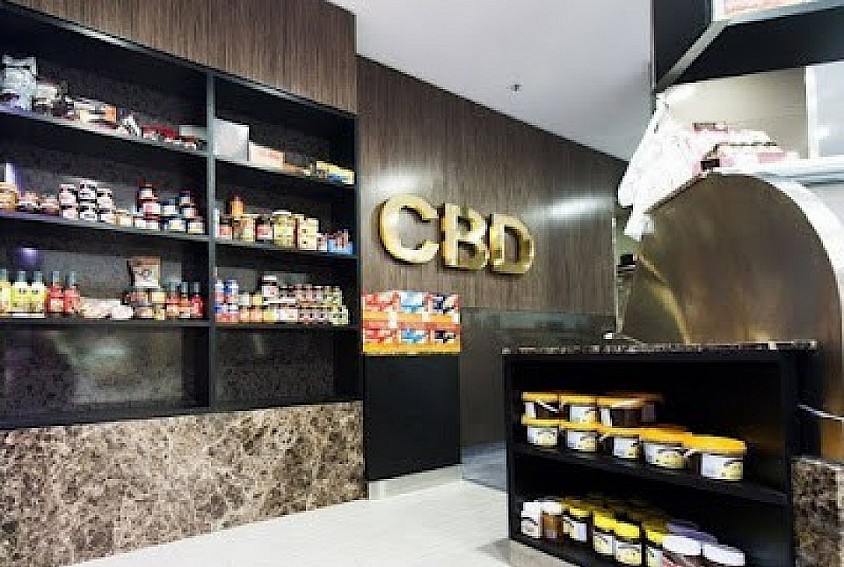
Navigating Product Quality and Innovation in Retail CBD Stores
Retail CBD stores continue to evolve as customers seek clarity, safety, and meaningful outcomes from botanical wellness products. Success in this space relies on transparent sourcing, clear education, and innovative formulations that respect both tradition and modern standards. The conversation now includes hemp-derived cannabinoids, terpenes, and emerging tea-leaf botanicals that shoppers evaluate with similar diligence. One of the more discussed developments involves [advanced kratom alkaloids], a phrase that reflects targeted extraction approaches used by some brands to refine consistency and profile. The following points explore how shoppers and retailers can align around quality, informed choice, and responsible merchandising within the retail CBD environment.
1. Product transparency starts with documentation
Clear, readable labels and accessible lab results help customers understand what they are buying. Certificates of analysis that outline cannabinoid content, contaminants screening, and batch identifiers create traceability from shelf to source. When brands share harvest details, extraction methods, and packaging dates, shoppers can compare products on factors that matter: composition, freshness, and cleanliness. In-store staff can encourage customers to review documents before purchasing, turning transparency into a habit rather than a bonus feature.
2. Consistency matters across categories
Customers returning to a product expect similar flavor, aroma, and measured potency. That reliability is supported by standardized processes in cultivation, extraction, and blending. The same idea applies when retailers carry tea-leaf botanicals positioned alongside hemp goods. References to [advanced kratom alkaloids] signal a focus on predictable profiles created through careful selection and refinement of naturally occurring compounds. Consistency reduces surprises and helps customers plan their routines with confidence.
3. Ingredient quality and formulation integrity
Thoughtful formulations pay attention to carrier oils, sweeteners, and natural flavors that complement the primary botanical without overshadowing it. Products that avoid unnecessary additives and disclose full ingredient lists offer additional assurance. Terpene-forward blends may emphasize aroma and botanical synergy, while straightforward options keep ingredients minimal. Clear directions for storage and use also protect integrity, helping customers get the most from what they purchase.
4. Responsible merchandising and clear guidance
A well-organized store layout distinguishes between categories, strengths, and intake formats. Grouping tinctures, edibles, flower, and topical items by effect profile or intended use can make selection easier. Informational signage, take-home brochures, and QR codes for test results reduce confusion and support informed decisions. When staff provide balanced guidance—covering onset time, serving size ranges, and general considerations—shoppers feel supported without pressure.
5. Education as an ongoing process
Retail education is never one-and-done. New shoppers appreciate foundational explanations of cannabinoids, terpenes, and differences among intake methods, while returning customers look for nuanced updates. Topics might include how fat-soluble formulations compare to water-dispersible options, or how botanical blends can shape flavor and experience. When stores host brief educational moments during regular hours, customers can ask practical questions and leave better prepared to choose thoughtfully.
6. Quality signals customers can recognize
Simple checklists help customers evaluate products: third-party testing, batch numbers, child-resistant packaging, and tamper evidence. Clearly stated serving suggestions and measured droppers or scored edibles aid accuracy. Natural color variance can be normal, but extreme clarity or unexpected hues may warrant a closer look at processing methods. For botanical teas and capsules, customers can assess grind consistency, aroma, and packaging that preserves freshness, especially when formulas reference [advanced kratom alkaloids] or comparable refinement.
7. Community standards and feedback loops
Retailers that listen to customer feedback refine their inventory faster and more effectively. Suggestion boxes, digital surveys, and return-visit check-ins reveal preferences about flavor, value, and perceived consistency. Over time, this feedback helps shape a curated selection that reflects real-world use. It also encourages brands to maintain high standards and to communicate openly about sourcing and production.
In a marketplace defined by choice, clarity is the foundation of trust. When retailers champion testing, consistency, and honest education—while presenting innovations such as [advanced kratom alkaloids] with thoughtful context—customers can navigate options with confidence. The result is a shopping experience grounded in quality, responsibility, and long-term satisfaction.
Education-Driven Retail CBD Experiences and Customer Trust

Education has become a defining element in modern retail CBD stores, shaping how customers interact with products and how much confidence they place in their purchases. As the market expands, shoppers are no longer satisfied with simple product displays; they expect meaningful guidance that helps them understand cannabinoids, formats, serving considerations, and quality indicators. Retailers that prioritize education create an environment where trust grows naturally through clarity rather than persuasion.
In-Store Education as a Trust-Building Tool
In-store education plays a central role in shaping customer trust by turning complex product categories into understandable choices. Staff explanations, printed guides, and shelf signage help break down cannabinoid terminology and product differences in a way that feels accessible. When customers feel informed rather than overwhelmed, they are more likely to engage with products confidently and return for future purchases.
Clear Communication of Cannabinoid Basics
A key part of education involves explaining cannabinoids in simple, practical terms. Rather than focusing on technical details, effective retail education highlights how different cannabinoid profiles vary in formulation and structure. This allows customers to better understand product labeling and make comparisons without confusion. Clear communication helps reduce misinformation and builds a foundation of reliable understanding.
Guided Product Exploration and Decision Support
Education-driven retail environments encourage guided exploration rather than rushed decision-making. Customers are supported as they compare formats, strengths, and ingredient profiles at their own pace. This approach reduces pressure and allows individuals to make thoughtful choices based on personal preference and comfort level. Over time, this method strengthens customer confidence in both the retailer and the product category.
The Role of Transparency in Educational Content
Educational efforts are most effective when paired with transparency. Providing access to lab reports, ingredient breakdowns, and sourcing details reinforces what customers are learning in-store. When information is consistent across labels, signage, and staff explanations, it creates a unified message that strengthens trust. Transparency ensures that education is grounded in verified facts rather than assumptions.
Long-Term Customer Confidence Through Learning
Education does not end after a single purchase; it contributes to long-term customer confidence. As shoppers become more familiar with product categories and labeling systems, they are better equipped to make independent decisions in the future. This ongoing learning process turns first-time buyers into informed, returning customers who feel comfortable navigating the retail CBD space.
Understanding CBD Product Formats and Their Real-World Use
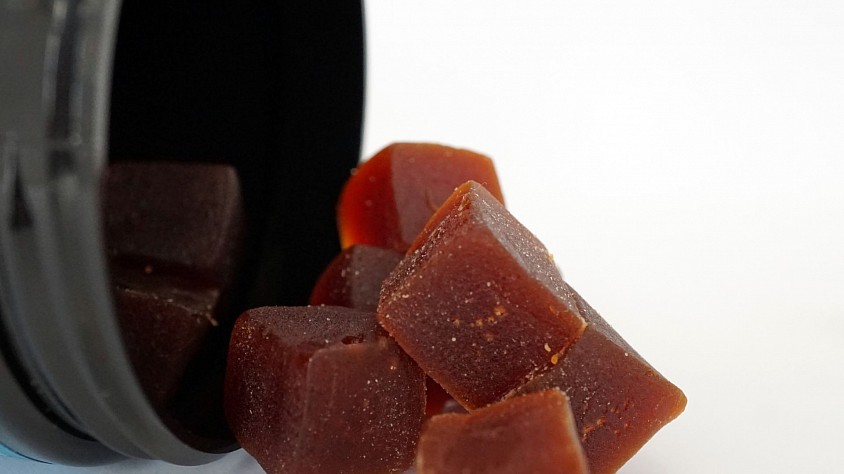
CBD products are available in a variety of formats, each designed to fit different lifestyles, preferences, and usage patterns. Understanding how these formats work in real-world situations helps consumers make more practical and informed decisions. From oils and gummies to capsules and topicals, each product type offers distinct characteristics that influence convenience, absorption, and overall experience.
Oils and Tinctures for Flexible Application
CBD oils and tinctures are among the most versatile formats available, offering flexible serving control and fast sublingual use. Users can adjust serving sizes based on personal preference, making oils suitable for those who prefer customization. This format is often chosen by individuals who want quick absorption and adjustable routines that can be tailored over time.
Gummies and Edibles for Convenience and Simplicity
Gummies and edible products are popular due to their convenience, taste, and pre-measured servings. Each piece contains a consistent amount, making them easy to incorporate into daily routines without measuring or preparation. This format is particularly appealing to beginners or those who prefer a simple, predictable experience without additional steps.
Capsules for Precision and Routine Integration
Capsules provide a structured and familiar method of consumption, offering exact serving sizes in an easy-to-take form. They are ideal for individuals who prefer consistency and want to incorporate CBD into an existing supplement routine. Capsules also eliminate taste considerations, making them a straightforward option for daily use.
Topicals for Targeted External Use
Topical CBD products are designed for application directly to the skin, offering localized use rather than systemic consumption. Common forms include creams, balms, and lotions. This format is often chosen by individuals looking for targeted application in specific areas, and it integrates easily into personal care routines.
Matching Product Format to Lifestyle Needs
Choosing the right CBD format depends on individual lifestyle preferences and usage goals. Some users prioritize flexibility, while others value convenience or targeted application. Understanding how each format fits into real-world routines helps reduce confusion and improves satisfaction with product selection. Retailers that clearly explain these differences make it easier for customers to choose confidently.
Why Formulation Integrity Matters in CBD Retail Products
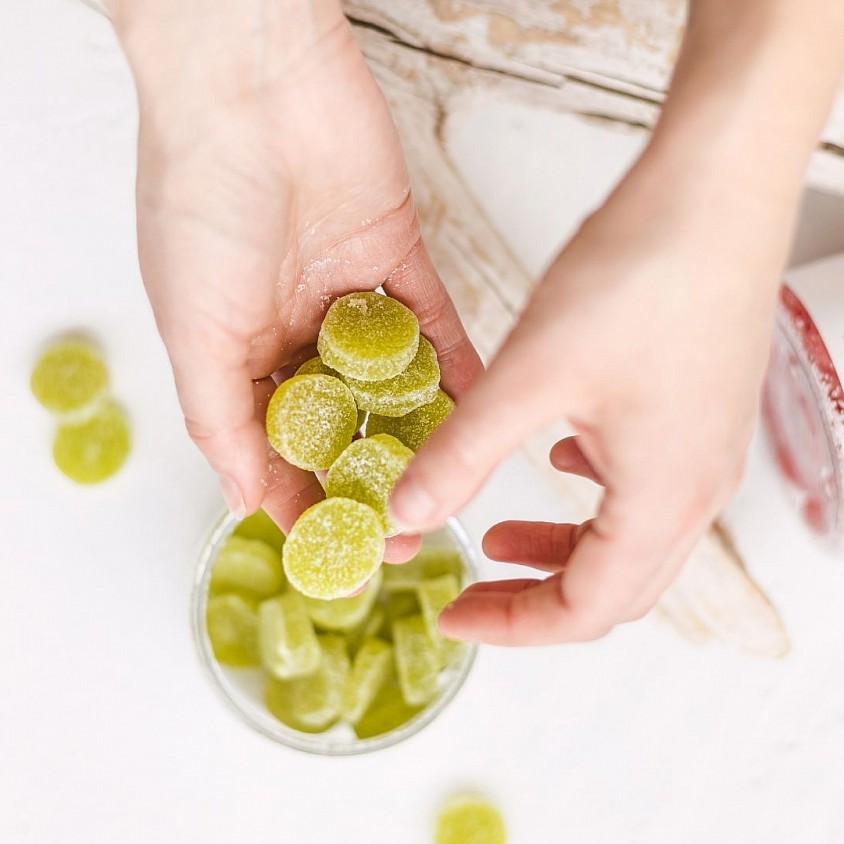
Formulation integrity is a critical factor in the quality, consistency, and reliability of CBD products in retail environments. It refers to how carefully a product is developed, how consistently it is produced, and how accurately it reflects what is listed on its label. As the industry grows, formulation integrity has become a key measure of trust between brands and consumers.
Consistency Across Production Batches
One of the most important aspects of formulation integrity is batch consistency. Consumers expect that each product they purchase will deliver the same composition and quality as previous purchases. Consistent manufacturing practices ensure that cannabinoid levels, ingredient ratios, and overall product performance remain stable across different production runs.
Accuracy Between Labels and Contents
Formulation integrity depends heavily on accurate labeling. The information displayed on packaging must reflect the actual contents of the product. This includes cannabinoid concentration, ingredient lists, and serving guidelines. When labels align with laboratory-tested results, customers can trust that they are receiving what they expect without discrepancies.
Ingredient Quality and Formulation Design
The quality of ingredients used in a formulation directly impacts the final product. Carrier oils, flavoring agents, and botanical additives must be selected with care to ensure stability and consistency. Thoughtful formulation design also considers how ingredients interact with one another, creating a balanced and predictable product experience.
The Importance of Third-Party Verification
Independent lab testing supports formulation integrity by confirming that products meet their intended specifications. Certificates of analysis verify cannabinoid levels and screen for contaminants, ensuring that the formulation matches what is stated on the label. This external validation reinforces trust and strengthens accountability in production practices.
Retailer Responsibility in Product Selection
Retailers play an important role in maintaining formulation integrity by choosing brands that prioritize quality control. Stores that carefully curate their inventory help ensure that customers are only exposed to products that meet consistent standards. This selection process reduces variability and improves overall customer satisfaction.
Building Long-Term Trust Through Integrity
When formulation integrity is maintained consistently, it builds long-term trust between consumers and brands. Customers develop confidence in products that perform reliably over time, which encourages repeat purchases and brand loyalty. In a competitive retail environment, integrity becomes a defining factor in customer retention.
Emerging Trends Shaping Hemp and Functional Botanical Retail

Shoppers are blending convenience with curiosity, seeking clear information, transparent sourcing, and straightforward access to products. Discovery often begins online with guides and content, then moves in-store for product comparisons and flavor exploration. As regulations mature, customers increasingly ask about testing standards, ingredients, and origins. Retailers that provide plain-language education, consistent labeling, and attentive staff support see stronger loyalty. Many consumers also expect modern conveniences such as cbd delivery options for busy schedules or for those who prefer to shop from home.
Product Formats Shaping Shelves
A wave of product formats is making the category more accessible and experiential. Gummies, tablets, and ready-to-use items resonate with newcomers and seasoned shoppers alike, thanks to familiar form factors and portion clarity. Retailers organize displays by outcome preferences, cannabinoid profiles, and flavor tiers to help buyers navigate efficiently. Meanwhile, cross-category interest continues to grow, with customers exploring functional blends and curated samplers that spotlight both hemp and botanical innovations.
1) Gummies remain a favorite: cbd gummies appeal to those who value familiar textures and measured portions.
2) Hybrid novelty: thca cbd gummies reflect interest in nuanced cannabinoid profiles and flavor-forward assortments.
3) Functional fungi: mushroom gummies bring attention to non-hemp botanicals with distinct traditions and culinary inspirations.
4) Convenience-forward: Nano Delta 9 Gummies showcase fast-moving innovation in cannabinoid delivery formats.
5) Alternative formats: cbd cigarettes cater to ritual-driven consumers who prefer a classic style with contemporary ingredients.
6) Tablet precision: Advanced Kratom Alkaloids – CHEWABLE TABLETS serve shoppers seeking portability and simple portioning.
7) Nighttime routines: THC Sleep gummies exemplify how retailers curate specific-use shelves without overcomplicating the category.
Responsible Marketing and Compliance Basics
The industry evolves quickly, so thoughtful merchandising is essential. Clear labeling, batch traceability, and accessible certificates of analysis help shoppers make informed choices. Packaging that emphasizes ingredients, cannabinoid content, and responsible-use guidance supports transparency. Staff training matters, too: teams versed in category basics, common questions, and local regulations can guide customers through comparisons without overpromising. Maintaining a consistent store policy on age gates, returns, and information resources builds trust and reduces confusion.
Logistics, Access, and Experience
Omnichannel convenience is no longer optional. Customers expect smooth browsing, fast checkout, and accurate inventory visibility. Retailers that offer cbd delivery where permitted provide a flexible pathway for frequent reorders and gift purchases. In-store, sensory merchandising—aroma notes, texture samples where appropriate, and flavor cards—can bridge online research with hands-on exploration. Community engagement, from tasting-style events to ingredient spotlights, encourages dialogue while reinforcing standards for responsible enjoyment and storage.
Education Without Jargon
The most effective education focuses on clarity. Rather than overwhelming shoppers with dense terminology, smart retailers simplify explanations around ingredients and formats. Side-by-side comparisons—gummy vs. tablet, or hemp-forward vs. functional fungi—make it easier to explore. Straightforward content helps customers understand the difference between products like cbd cigarettes, cbd gummies, and mushroom gummies, as well as how items such as Nano Delta 9 Gummies, Advanced Kratom Alkaloids – CHEWABLE TABLETS, and THC Sleep gummies fit into a well-organized shelf. Emphasizing thoughtful selection, portion awareness, and label literacy empowers confident purchasing decisions.
What Retailers Watch Next
As the category matures, attention is turning to sustainable packaging, supply chain transparency, and flavor craftsmanship. Expect more emphasis on consistent textures and nuanced taste profiles in thca cbd gummies and other emerging formats. Retailers are also refining customer support with concise FAQs, clear signage, and digital guides that can be updated as regulations shift. Naturally, thoughtful curation and reliable information remain the foundation. When assortments are easy to navigate and supported by credible resources, customers return for both the experience and the products they trust.
The Modern Landscape of Hemp, THC Alternatives, and Functional Fungi

The hemp and alternative botanicals industry is moving fast, shaped by new product formats, evolving regulations, and shopper expectations that lean into convenience and clarity. Retailers are expanding assortments while fine-tuning guidance at the counter, and manufacturers are refining formulas, flavors, and packaging to meet demand across day and night routines.
Consumer Expectations and Access
Convenience now sits at the center of buying behavior. Shoppers browse online menus, compare ingredients, and look for prompt cbd delivery when timing matters. Clear information on sourcing, cannabinoid profiles, and suggested use is table stakes. In-store, customers expect approachable staff, sample education, and logical layouts that separate staples from seasonal drops. Naturally, transparency on labeling and batch testing helps people choose with confidence without wading through jargon.
Product Formats Reshaping Shelves
Format diversity has never been broader. Classic cbd gummies remain a go-to for flavor, portability, and straightforward portioning, while thca cbd gummies are catching attention among enthusiasts curious about nuanced profiles. On adjacent shelves, mushroom gummies highlight functional fungi blends that appeal to consumers exploring non-cannabinoid botanicals. For those who prefer a traditional experience without combustion-heavy options, cbd cigarettes offer a familiar form factor with hemp-forward aroma. Specialty items like Nano Delta 9 Gummies and THC Sleep gummies serve specific evening routines, while Advanced Kratom Alkaloids – CHEWABLE TABLETS reflect demand for precise, easy-to-carry botanicals outside the cannabinoid lane.
Responsible Sourcing and Education
Sourcing and storytelling go hand in hand. Retailers emphasize hemp grown with mindful agricultural practices and partner with producers who provide accessible certificates and batch IDs. Education pieces—covering extraction methods, cannabinoid and terpene context, and how storage affects freshness—help shoppers understand why one gummy, tablet, or pre-roll might fit their goals better than another. Naturally, brands that keep formulas streamlined and ingredient lists familiar tend to foster trust and repeat visits.
Compliance and Merchandising Strategies
Compliance is an ongoing practice, not a one-time box to check. Retailers maintain age-gating, organized recordkeeping, and clear product demarcation. Merchandising favors intuitive groupings: edibles by time-of-day use, inhalables by flavor and potency range, and botanicals like kratom presented with straightforward ingredient disclosures. Cross-education is rising too; staff trained on both cannabinoid profiles and functional fungi can guide shoppers comparing cbd gummies, mushroom gummies, and thca cbd gummies without skipping a beat.
Practical Tips for Shoppers
1) Define your goal first. Are you after a wind-down routine, daytime focus, or a flavor-forward treat? This narrows choices among gummies, tablets, or cbd cigarettes.
2) Read the label closely. Look for serving size, total content per package, ingredient transparency, and batch identifiers.
3) Start simple. If you’re new, begin with familiar formats like cbd gummies or consider low-key options such as Nano Delta 9 Gummies in modest portions.
4) Compare formats. Gummies travel easily, cbd cigarettes offer a classic ritual, and THC Sleep gummies can be suited to evening routines.
5) Ask about sourcing. Retailers should be able to describe growing practices and provide third-party testing access.
6) Consider adjacent botanicals. Mushroom gummies and Advanced Kratom Alkaloids – CHEWABLE TABLETS serve different preferences; understanding their ingredients helps you shop confidently.
7) Store products well. Keep packages sealed, out of heat and light, to preserve flavor and consistency over time.
Looking Ahead
Expect continued refinement across flavor innovation, sugar-free or low-sugar options, and compact packaging for on-the-go lifestyles. Retailers will likely double down on staff training and streamlined signage, helping shoppers navigate choices quickly. Naturally, consumers will keep prioritizing convenience and clarity—whether comparing thca cbd gummies to classic cbd gummies, weighing the ritual of cbd cigarettes, or exploring functional fungi through mushroom gummies. With thoughtful sourcing, consistent compliance, and honest education, the category can keep evolving in a way that balances innovation, access, and shopper trust.
The Modern Roadmap for Cannabinoid and Botanical Retail

Consumer interest in hemp-derived products and botanicals keeps expanding, and so does the variety on store shelves. From flavor-forward edibles to smokeable alternatives and nighttime blends, today’s marketplace reflects evolving preferences, better sourcing, and careful formulation. Retailers are responding with flexible shopping options, clearer labeling, and education-first service to help shoppers make informed choices without the guesswork.
Product Variety Is Driving Discovery
As categories diversify, customers explore formats that fit their lifestyles. Gummies remain a favorite for portability and flavor, while smokeable options appeal to tradition and immediacy. Functional blends and botanicals offer additional avenues for tailored routines. Within this mix, a few categories consistently capture attention:
- cbd delivery options that match busy schedules
- cbd gummies for convenient, discreet use
- mushroom gummies featuring non-psychoactive functional mushrooms
- thca cbd gummies for niche enthusiasts
- cbd cigarettes, providing a smokeable hemp alternative
Form Factor Matters as Much as Formula
Texture, onset time, and use-case scenarios all influence choice. Gummies make portioning straightforward and travel-friendly. Smokeables favor ritual and speed. Chewable tablets, such as Advanced Kratom Alkaloids – CHEWABLE TABLETS, offer portability with a firm, predictable format. Recognizable form factors help shoppers compare experiences, flavors, and timing across product lines.
Nighttime and Routine-Friendly Solutions
Evening-focused selections continue to grow as users refine their wind-down rituals. THC Sleep gummies are a popular example of targeted formulations designed for the end of the day. For those who prefer something with a familiar confectionery feel, Nano Delta 9 Gummies bring flavor-forward profiles and compact packaging that suit an after-dinner routine or weekend leisure moment. Clear serving guidance and straightforward ingredient lists help set expectations, whether winding down or easing into downtime.
Sourcing, Transparency, and Testing
Shoppers look for clear, plain-language information: hemp origin, cannabinoid profile, and third-party testing are essentials that build confidence. Transparent labeling, batch-specific QR codes, and accessible certificates of analysis help customers understand exactly what’s inside. Responsible retailers also outline ingredient sources and manufacturing practices, giving buyers a clean line of sight from farm to finish.
Responsible Merchandising and Education
As the category matures, the best in-store and online experiences favor guidance over hype. Staff who can explain differences between formats—such as gummies versus smokeables, or the distinction between mushroom gummies and cannabinoid products—empower shoppers to choose intentionally. Practical tips about storage, serving sizes listed on packaging, and how to read lab reports support confident, repeat purchases.
Convenience and Access Meet Compliance
In cities and suburbs alike, flexible shopping is now the norm. Same-day and scheduled cbd delivery services help customers keep routines consistent, while curbside pickup and streamlined checkout reduce friction. Retailers integrate verification steps to align with regulations, ensuring access remains simple and compliant. These operational details—fast fulfillment, careful packaging, and reliable communication—turn first-time orders into lasting relationships.
What’s Next for the Aisle
Innovation continues across flavors, textures, and collaborations. Expect more cross-category experimentation, such as limited-edition Nano Delta 9 Gummies, seasonal terpene profiles, or curated bundles pairing edibles with accessories. Smokeable formats like cbd cigarettes remain steady for those who prefer a traditional experience, while specialty items like thca cbd gummies serve curious connoisseurs. The throughline is choice: a broader, clearer, and more user-friendly set of options that helps every shopper find a personal fit.
The Evolving Landscape of Hemp and Functional Gummies Retail

Convenience Is King: From Checkout to Doorstep
Today’s shoppers expect seamless access to cannabinoid and botanical products, whether they’re browsing in-store or tapping a phone. Retailers that streamline online ordering, curbside pickup, and reliable cbd delivery are setting a new standard. Clear ETA windows, discreet packaging, and responsive customer service help build trust for first-time buyers and repeat patrons alike. As regulations and shipping rules vary by location, brands are investing in age-gating tools and compliant logistics so customers can order confidently.
Formats and Flavors Shaping Demand
Innovation is driving a broader selection than ever before. Many consumers start with approachable confections such as cbd gummies for their simplicity and precise serving sizes. Others explore functional confections like mushroom gummies that spotlight adaptogenic mushrooms in chef-inspired flavors. Enthusiasts looking for nuanced hemp profiles often consider thca cbd gummies that emphasize strain-specific aroma and terpene character. Beyond confections, combustibles like cbd cigarettes appeal to tradition-minded shoppers who prefer a familiar ritual with carefully curated hemp blends and smooth paper wraps.
Quality, Testing, and Transparent Labeling
In a crowded marketplace, third-party testing and clear documentation separate serious operators from the pack. Shoppers expect batch-specific Certificates of Analysis, accurate cannabinoid breakdowns, and ingredient lists that read clean and simple. Packaging should clarify serving sizes, suggested use, and storage tips while avoiding jargon. Retailers earn loyalty by training teams to explain what full-panel testing covers, how extraction methods differ, and why consistent labeling matters across gummies, tinctures, and flower.
Responsible Merchandising and Education
With a wide range of botanicals on the shelf, merchandising must be thoughtful and easy to navigate:
- Group products by format (gummies, flower, vapes, topicals) before flavor or strain.
- Offer comparison cards to contrast Nano Delta 9 Gummies, THC Sleep gummies, and classic broad-spectrum options.
- Create a dedicated section for Advanced Kratom Alkaloids – CHEWABLE TABLETS with clear age and compliance signage.
- Place informational guides near mushroom gummies and other functional items to outline ingredients and sourcing.
- Keep cbd cigarettes near accessories to encourage responsible use conversations.
Sustainability and Sourcing
Consumers increasingly ask where hemp is grown and how botanicals are harvested. Retailers responding with regional sourcing stories, recyclable packaging, and minimal plastics signal long-term stewardship. Many shops highlight solventless or low-impact extraction methods and partner with farms that emphasize soil health and traceability. For confections, culinary-grade pectin, natural colors, and fruit-derived flavors resonate with shoppers seeking straightforward ingredient decks.
The Road Ahead for Specialty Shops
As categories diversify, successful retailers balance curation with clarity. A lean, well-explained selection can outperform an overwhelming wall of options. Digital tools—QR codes linking to lab results, quick videos on serving considerations, and robust FAQs—support informed decisions. Meanwhile, consistent customer feedback loops help stores anticipate demand swings, from seasonal profiles in thca cbd gummies to classic fruit-forward cbd gummies. By blending education, transparent sourcing, and dependable cbd delivery, modern retailers are building durable communities around hemp and functional botanicals—one well-labeled jar, pack of cbd cigarettes, or box of mushroom gummies at a time.