
Blog

Evolving Cannabinoid Trends in Austin: From Delivery to Gummies and Beyond
How Austin’s Cannabinoid Market Is Shaping New Consumer Habits
Convenience and the Rise of Local Fulfillment
Austin’s cannabis-adjacent marketplace continues to prioritize ease and access, with austin cbd delivery becoming a mainstream expectation rather than a novelty. Same-day and scheduled drop-offs align with busy city life, helping shoppers compare formats, potencies, and flavor profiles before committing. This shift places emphasis on education at the doorstep—clear labels, lab results, and product-specific guidance that make at-home decisions more straightforward.
Gummies Take Center Stage in Product Diversity
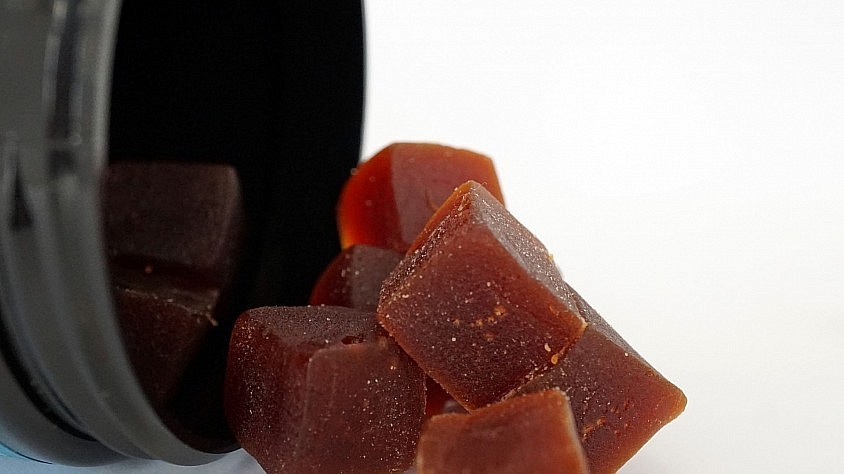
Flavor-forward gummies dominate many carts thanks to predictable serving sizes and portability. The steady popularity of cbd gummies Austin stems from flexible formulations and approachable textures that fit seamlessly into daily routines. At the same time, mushroom gummies Austin are entering the conversation as consumers explore functional ingredients and botanical blends curated for different preferences. Variety drives experimentation, and curated multi-count packs often support responsible sampling.
Exploring Spectrum and Format Options
Cannabinoid shoppers in Austin are increasingly curious about niche categories. Some gravitate toward thca cbd gummies to explore distinct cannabinoid profiles and flavor combinations. Others prefer smokeable options like cbd cigarettes Austin for a familiar format that aligns with social rituals and personal pacing. Beyond these, specialty items such as Nano Delta 9 Gummies, Advanced Kratom Alkaloids – CHEWABLE TABLETS, and THC Sleep gummies broaden the landscape for those seeking different experiences, textures, and timing within their routines.
What Informed Shoppers Consider Before Buying
A knowledgeable approach benefits both newcomers and connoisseurs. Clear sourcing, standardized serving information, and batch transparency empower smarter choices. As selection grows, many Austinites compare formats side by side—edibles, smokeables, and tablets—to see what fits their preferences. Responsible retailing supports that comparison by offering consistent labeling, prompt customer support, and thoughtful packaging that travels well in Texas weather.
A Practical Checklist for Choosing Cannabinoid Products
Use this quick list to streamline decision-making and make the most of Austin’s wide selection and delivery options:
1. Verify third-party testing: Look for batch numbers, cannabinoid profiles, and contaminant screening on packaging or vendor pages.
2. Match the format to your routine: Consider whether gummies, smokeables, or chewable tablets fit your schedule and environment.
3. Start with the basics: If new to the category, begin with familiar choices like cbd gummies Austin before branching into specialized items.
4. Explore specialized lines: Products such as Nano Delta 9 Gummies and THC Sleep gummies offer distinct timing and texture preferences for evening or weekend routines.
5. Compare botanical blends: For those interested in varied ingredients, mushroom gummies Austin and Advanced Kratom Alkaloids – CHEWABLE TABLETS present additional options to evaluate.
6. Consider delivery logistics: austin cbd delivery enables planned replenishment; check delivery windows, minimums, and secure drop-off options that work for your location.
Responsible Retail Culture and Community Preferences
Local buyers often favor retailers that provide transparent education and consistent, easy-to-understand packaging. Retail teams that prioritize clear serving details and approachable explanations help create a more confident customer base. With more formats entering the market—thca cbd gummies for variety-seekers, cbd cigarettes Austin for those who value a traditional experience, and an expanding range of gummy options—shoppers gain the freedom to build a personalized lineup.
The Road Ahead for Austin’s Cannabinoid Selection
As Austin’s scene matures, assortment and convenience will likely remain core drivers of loyalty. Thoughtful delivery practices, well-labeled products, and a wide mix of edibles and smokeables give consumers room to refine their preferences over time. By staying curious, comparing formats, and using reliable services, buyers can naturally navigate the market and curate a collection that fits their lifestyle—one order, one flavor, and one format at a time.
Evolving Retail Trends in Austin’s Hemp and Botanical Market
Industry Overview
Austin’s hemp and botanical retail scene continues to diversify as shoppers seek convenient, transparent, and locally attuned options. From fast-acting edibles to smokeable alternatives, the market reflects a maturing consumer base that values product knowledge, traceability, and easy access. Innovations in extraction, flavor profiles, and delivery formats are shaping day-to-day buying decisions, while local habits favor practical solutions like AUSTIN CBD DELIVERY and in-store pickup that fit busy schedules.
Consumer Preferences
Shoppers in the metro area show strong interest in approachable formats that integrate seamlessly into routines. For many, flavorful chews or fast-dissolving tablets feel familiar and easy to dose. Others prefer ritualized formats, such as pre-rolls or filtered options, for a classic experience. As brands refine terpene-forward blends and consistent textures, repeat buyers increasingly pay attention to how products fit personal preferences, time of day, and desired pace of onset rather than chasing novelty alone.
Product Categories on the Rise
The edible category remains a cornerstone. CBD GUMMIES AUSTIN are frequently chosen for their portability and consistent portions, supported by flavor ranges that cater to both newcomers and seasoned shoppers. Alongside that, MUSHROOM GUMMIES AUSTIN have emerged as a botanical-adjacent option for consumers exploring functional ingredients within the legal marketplace. For cannabinoid-forward selections, THCA CBD GUMMIES are cited for their targeted formulations, while Nano Delta 9 Gummies and THC Sleep gummies illustrate how brands address distinct evening and relaxation routines. Tablet styles, like Advanced Kratom Alkaloids – CHEWABLE TABLETS, appeal to those who prefer a compact format with a straightforward experience. On the smokeable side, CBD CIGARETTES AUSTIN present a familiar format for adult consumers who value quick onset and classic sensory notes.
Responsible Sourcing and Compliance
Regulatory awareness is a defining trait of reputable retailers. Third-party testing, batch-level transparency, and clear labeling help shoppers evaluate options confidently. Education plays a central role: staff training, plain-language explanations, and accessible lab results support informed decisions. Industry participants that prioritize compliant sourcing and careful documentation help set expectations for consistent quality and age-verified sales.
Convenience and Local Access
In a fast-moving city, convenience drives loyalty. AUSTIN CBD DELIVERY enables same-city accessibility for those juggling work, family, and traffic. Clear online menus, contact options, and predictable fulfillment windows streamline the experience. In-store browsing still matters, especially for trying new flavors, discussing terpene profiles, or comparing formats side-by-side. Consumers often start with familiar staples—like CBD GUMMIES AUSTIN—and then branch out to category-adjacent options, including THCA CBD GUMMIES or tablet formats, as staff answer questions and outline differences.
Buying Guide: How Shoppers Compare Options
1. Format fit: Decide between gummies, tablets, tinctures, or smokeables. CBD CIGARETTES AUSTIN may suit quick routines, while edibles like Nano Delta 9 Gummies or THC Sleep gummies align with evening wind-down habits.
2. Onset and duration: Chewables and tablets emphasize ease and measured portions; smokeables may offer a faster experience. Consumers often pair formats across different times of day.
3. Flavor and texture: For CBD GUMMIES AUSTIN or MUSHROOM GUMMIES AUSTIN, taste and mouthfeel can influence long-term satisfaction more than novelty alone.
4. Transparency: Look for batch numbers, lab results, and clear cannabinoid content. Reputable retailers provide accessible documentation and straightforward labeling.
5. Lifestyle alignment: AUSTIN CBD DELIVERY supports those prioritizing convenience, while in-store visits help with hands-on comparisons and staff guidance.
6. Responsible retailing: Age verification, compliant sourcing, and careful storage practices are markers of trustworthy operations.
Looking Ahead
The local market will likely keep evolving around convenience, measured experiences, and strong education. As product makers refine textures, flavors, and cannabinoid blends, consumers benefit from clearer labeling and more tailored options. With responsible retail practices and a growing range of formats—from THCA CBD GUMMIES to Advanced Kratom Alkaloids – CHEWABLE TABLETS—the scene continues to reward curiosity and informed exploration, balancing innovation with everyday practicality.
The Austin Cannabis and Hemp Retail Landscape in Motion
Convenience and Compliance
Across Austin, hemp-derived products continue to evolve with a focus on convenience, transparency, and state compliance. Consumers balance curiosity with caution, looking for clear labeling, third-party testing, and straightforward guidance from knowledgeable staff. As demand rises for flexible access, options like austin cbd delivery make it easier for shoppers to explore new formats while staying within Texas regulations. Local storefronts complement that convenience with in-person conversations and community-centric service.
Product Formats Consumers Explore
The marketplace showcases a diverse range of form factors tailored to different preferences. Edibles remain popular, and cbd gummies Austin stand out for consistent portioning and a familiar, approachable format. For those exploring botanicals beyond hemp, mushroom gummies Austin introduce functional blends made for daily routines. There’s also interest in specialty options like thca cbd gummies, which reflect ongoing innovation within hemp-derived offerings. Traditionalists sometimes lean toward cbd cigarettes Austin, appreciating familiar rituals paired with curated hemp flower. Beyond CBD, the shelves often include Nano Delta 9 Gummies, providing hemp-derived cannabinoids in a fast-convenience format, and THC Sleep gummies designed for nighttime routines.
Quality, Transparency, and Education
Trust starts with clear sourcing, meticulous manufacturing, and accessible lab results. Many shoppers look for brands that publish batch reports, outline cannabinoid profiles, and explain formulation choices. Staff education matters, too: guidance on serving sizes, ingredient lists, and timing helps set practical expectations. While trends shift quickly, consistent standards and open dialogue help consumers choose confidently.
The Role of Delivery and Local Access
Austin’s blend of tech-forward convenience and neighborhood culture makes local access and home drop-off equally important. austin cbd delivery supports busy schedules, curbside needs, and private purchasing, while brick-and-mortar locations offer the tactile experience—smelling terpenes, comparing textures, and discussing product nuances face-to-face. This hybrid model lets consumers browse online, ask follow-up questions in-store, and establish long-term relationships with trusted retailers.
Emerging Additions to the Shelf
Beyond familiar staples, many shops curate complementary botanicals and novel formats:
- Advanced Kratom Alkaloids – CHEWABLE TABLETS for a compact, portioned approach
- Nano Delta 9 Gummies for on-the-go convenience
- THC Sleep gummies geared toward evening routines
- Seasonal edibles and rotating terpene profiles
- Sparkling beverages infused with hemp-derived cannabinoids
Sustainability and Community Ethos
Packaging choices, sourcing practices, and local engagement increasingly influence purchasing decisions. Recyclable containers, minimal plastic, and ethically sourced ingredients appeal to Austin’s eco-minded shoppers. Community events—such as educational meetups or local brand showcases—further cement a sense of place. Brands that listen, adapt, and maintain rigorous standards tend to thrive in this environment, where authenticity holds real weight.
Looking Ahead
Innovation will continue to shape the Austin hemp market, from refined edibles to enhanced absorption methods and thoughtfully crafted blends. As consumers compare options like thca cbd gummies, cbd gummies Austin, and cbd cigarettes Austin, the recurring priorities remain the same: reliable information, traceable quality, and a shopping experience that respects both personal preferences and local norms. With delivery, brick-and-mortar expertise, and a growing spectrum of formats—including mushroom gummies Austin—the region’s ecosystem looks poised for steady, consumer-minded growth.

Austin’s Cannabinoid Retail Boom: Products, Preferences, and Practical Buying Tips
The Evolving Hemp and Cannabinoid Retail Landscape in Austin
Austin’s hemp and cannabinoid market has matured into a distinct, community-driven scene where product diversity and customer education steer the conversation. Shoppers expect clear labeling, tested ingredients, and a range that moves beyond basics. Retailers respond with curated assortments—covering familiar formats and new niche entries—while leaning into convenience, transparent sourcing, and approachable guidance on how to navigate choices.
Consumer Trends Shaping the Scene
Local demand follows a few steady themes: flavor-forward edibles, portable formats, and options that fit everyday routines. People often start with simple formats and then explore specialized blends or minor-cannabinoid profiles. Preferences vary, but the city’s appetite for variety is unmistakable, from classic gummies to emerging botanicals and even hemp-adjacent products. As buyers grow more discerning, they compare not just taste and texture, but also formulation methods, third-party testing, and how well a product fits into their lifestyle.
Product Categories Worth Watching
Austinites have no shortage of choices, and several categories have captured attention across the city. The range includes edible staples, innovative tablet options, and smokeable alternatives with a modern twist.
1. cbd gummies Austin: A reliable go-to for approachable flavor, easy portioning, and straightforward ingredients people can read and understand.
2. mushroom gummies Austin: Botanical blends meeting culinary creativity, often favored by shoppers looking to expand beyond traditional cannabinoid formats.
3. thca cbd gummies: An evolving category that draws interest from those who pay close attention to cannabinoid variety and nuanced formulation.
4. Nano Delta 9 Gummies: Noted for their innovative preparation approach and consistent portion sizes that support predictable usage routines.
5. Advanced Kratom Alkaloids – CHEWABLE TABLETS: A distinct format appreciated by shoppers who prefer compact, portable options in a chewable style.
6. THC Sleep gummies: Popular among customers building an evening routine, especially those who value clearly labeled serving suggestions and predictable textures.
7. cbd cigarettes Austin: A smokeable hemp option for adults seeking a familiar ritual in a non-nicotine format and a straightforward ingredient list.
Responsible Sourcing and Compliance
Trust is built on transparency. Local buyers seek batch testing, clear cannabinoid breakdowns, and packaging that lists ingredients in plain language. Reputable retailers emphasize compliance with applicable laws and maintain current documentation from producers and labs. This diligence helps customers compare options confidently. Many shoppers also ask about where hemp is grown and how products are manufactured, favoring brands that share consistent, verifiable details about cultivation, extraction methods, and quality controls.
Convenience and Fulfillment Options
Convenience continues to influence where and how Austinites shop. Same-day and scheduled austin cbd delivery services align with busy routines, allowing customers to reorder favorites without interrupting their day. In-store pickup remains popular for those who want a quick turnaround with a chance to ask a few questions at the counter. Meanwhile, online browsing with robust product descriptions and accessible lab reports gives customers the time to evaluate choices before checking out, whether they prefer doorstep receipt or a local pickup stop.
Education and In-Store Experience
Helpful guidance makes a difference. Customers appreciate stores that offer easy-to-follow product groupings, sample-size options when available, and staff who can explain differences in format, ingredients, and labeling. Clear signage and honest answers encourage informed decisions about serving sizes, storage, and how various formats fit into daily routines—be it daytime focus, evening wind-down, or special-occasion use. The best shopping experiences feel welcoming, no-pressure, and focused on clarity.
Looking Ahead: What to Expect
As Austin’s cannabinoid space grows, expect continued emphasis on tested ingredients, straightforward labels, and creative flavor work. Core categories like cbd gummies Austin remain strong, while newer options such as mushroom gummies Austin and thca cbd gummies gain traction among adventurous shoppers. Smokeable formats like cbd cigarettes Austin offer a familiar ritual, and specialized items—Nano Delta 9 Gummies, Advanced Kratom Alkaloids – CHEWABLE TABLETS, and THC Sleep gummies—round out a dynamic mix. With transparent sourcing, reliable austin cbd delivery, and thoughtful in-store support, the local market is positioned to keep evolving naturally, meeting customers where they are and giving them the information they need to choose with confidence.
Austin’s Evolving Hemp Marketplace: Trends Shaping Gummies, Smokeables, and Delivery
The State of the Hemp and Cannabinoid Market in Austin
Austin’s hemp scene continues to mature, with shoppers focusing on quality, transparency, and convenient access. Retailers and brands are responding by refining formulations, clarifying labels, and expanding service models that meet people where they are. From austin cbd delivery options to curated in-store experiences, the market is adapting quickly while keeping an eye on compliance and responsible merchandising.
Consumer Preferences Are Getting Specific
As the category expands, shoppers aren’t just browsing by broad types anymore; they’re dialing in on details. Flavor profiles, botanical blends, and cannabinoid ratios guide buying decisions as much as brand reputation. For instance, cbd gummies Austin buyers compare texture and consistency along with extraction methods and third-party testing. Mushroom gummies Austin offerings have also carved out space, with shoppers evaluating varietal blends and complementary botanicals. Smokeable enthusiasts are similarly discriminating, and cbd cigarettes Austin are often chosen for their smoothness, aroma, and hemp origin.
Product Categories on the Rise
Across the gummy aisle, variety is the headline. Nano Delta 9 Gummies are gaining attention among those interested in rapid-onset formats. Meanwhile, THC Sleep gummies appeal to shoppers building an evening routine, often alongside herbal teas or wind-down playlists. For those comparing novel profiles, thca cbd gummies represent a niche that emphasizes clear labeling and education at the counter. Beyond gummies, tablets are making a comeback thanks to precise portioning; Advanced Kratom Alkaloids – CHEWABLE TABLETS exemplify a format that prioritizes consistency, chewability, and straightforward use cases without added fuss.
Digital Convenience and Local Access
Local access remains essential, but buyers increasingly start their journey online. Retailers have expanded content-rich product pages, same-day pickup, and fast austin cbd delivery to bridge the gap between browsing and doorstep arrival. This hybrid model lets shoppers read up on testing summaries, check inventory, and plan purchases before committing. The result is a smoother path for people who know what they want, as well as first-time buyers who benefit from upfront education and responsive support.
What Shoppers Compare Before Buying
1) Product origin and sourcing: Shoppers look for clear statements about hemp source, cultivation practices, and extraction methods.
2) Third-party testing: Certificates of analysis that list cannabinoid profiles and potential contaminants are treated as must-haves.
3) Form factor and onset: Gummies, smokeables, and tablets each offer different experiences; preferences often reflect lifestyle and timing.
4) Flavor and formulation: Taste, texture, and complementary botanicals influence repeat purchases in categories like cbd gummies Austin and mushroom gummies Austin.
5) Portion size and consistency: Predictable portioning matters across formats, whether selecting Nano Delta 9 Gummies, THC Sleep gummies, or cbd cigarettes Austin alternatives.
6) Service and access: Store guidance, curbside pickup, and dependable austin cbd delivery shape brand loyalty.
Compliance and Responsible Retail
As the marketplace grows, responsible retail practices remain at the forefront. Clear age-gating, transparent shelf labeling, and accessible testing data all contribute to a safer, more confident shopping environment. Education-forward merchandising—like shelf talkers that explain cannabinoids, terpenes, and product categories—helps shoppers make informed choices. Staff training is equally important, ensuring teams can discuss formats such as thca cbd gummies or Advanced Kratom Alkaloids – CHEWABLE TABLETS with clarity about ingredients, portioning, and usage contexts.
Innovation Through Formulation and Experience
Formulation advancements continue at a brisk pace. Microbatch production, flavor refinement, and emulsification techniques are shaping how products look, taste, and function. For gummy fans, consistency is key; even texture and uniform portioning build trust. Smokeable categories maintain momentum by spotlighting cultivation stories and aroma profiles, keeping cbd cigarettes Austin in the conversation for those who prefer a traditional ritual. Retailers that pair these innovations with knowledgeable guidance and reliable austin cbd delivery options tend to stand out.
Looking Ahead
Expect more emphasis on education, verified testing, and flexible access. As shoppers fine-tune preferences—whether toward mushroom gummies Austin, gummy assortments like Nano Delta 9 Gummies and THC Sleep gummies, or specialty items such as thca cbd gummies—the market will reward brands and retailers that deliver clarity and consistency. The next phase is less about novelty for novelty’s sake and more about building reliable experiences, one product format and one informed purchase at a time.

Navigating Today’s Cannabinoid and Botanical Marketplace
Evolving Consumer Expectations
Across the country, shoppers are seeking convenient, transparent, and responsibly sourced hemp and botanical products. From rapid doorstep options like austin cbd delivery to curated in-store experiences, the industry is responding with clearer labeling, third-party testing, and education-first merchandising. Consumers want to understand the differences among cannabinoids, how product formats vary, and what to expect in terms of flavor, potency, and timing.
Format Variety and Use Occasions
Edibles continue to lead the way for simplicity and discretion. Popular choices such as cbd gummies Austin offer consistent servings and approachable flavors for newcomers and enthusiasts alike. Innovations like THC Sleep gummies and Nano Delta 9 Gummies showcase how brands are refining texture, onset, and taste. Meanwhile, pre-rolls and alternatives modeled after traditional habits, including cbd cigarettes Austin, appeal to individuals who prefer a familiar ritual without nicotine or tobacco.
Functional Crossovers and New Frontiers
A broader wellness mindset is inspiring product experimentation. Consumers exploring mushroom gummies Austin are often looking for botanicals beyond hemp, while staying attentive to quality sourcing and clear ingredient stories. In the cannabinoid arena, thca cbd gummies reflect how shoppers are comparing minor cannabinoids and novel formulations to find products that align with their personal routines. Similarly, Advanced Kratom Alkaloids – CHEWABLE TABLETS represent a growing interest in standardized, easy-to-dose formats within the broader botanical space.
Quality Signals and Responsible Sourcing
With more options on shelves, quality indicators matter. Clear COAs from independent labs, transparent hemp origins, and straightforward ingredient lists help buyers compare products. Packaging that highlights batch numbers, cannabinoid content, and serving guidelines supports informed decision-making. Retailers and brands that maintain consistent standards and provide approachable education help demystify terms like full-spectrum, broad-spectrum, and isolate for everyday shoppers.
Practical Tips for First-Time Buyers
For anyone just getting started, a simple plan can make exploration easier:
- Identify your preferred format: gummies, tinctures, capsules, flower, or smoke-free alternatives
- Review lab reports and confirm cannabinoid content per serving
- Start with familiar flavors and straightforward ingredient panels
- Compare onset expectations for edibles versus inhalables
- Ask about reputable options like Nano Delta 9 Gummies or THC Sleep gummies
Convenience and Community
Local access remains essential. Same-day and next-day models for austin cbd delivery help bridge online ease with neighborhood reliability. In-store conversations still play a crucial role, from product walkthroughs to clarifying how to read labels or choose between edibles, smokeable alternatives like cbd cigarettes Austin, and newer categories such as thca cbd gummies. Consumers value spaces that feel welcoming, combine trusted standards with variety, and offer consistent, respectful guidance.
Looking Ahead
As regulations mature and product knowledge spreads, the market will continue to refine flavor profiles, textures, and cannabinoid blends. Expect ongoing advances in delivery technologies, more transparent sourcing, and thoughtful merchandising that highlights both familiar favorites and carefully vetted innovations. Whether exploring cbd gummies Austin, mushroom gummies Austin, or cutting-edge formats, today’s shoppers benefit from a landscape that prizes clarity, consistency, and choice.

The Evolving Landscape of Hemp and Functional Gummies in Austin
Austin’s hemp and botanicals market continues to expand, blending convenience, flavor, and compliance into everyday routines. From discreet pre-roll alternatives to fast-acting edibles, shoppers are embracing products that fit active schedules, personal preferences, and evolving local norms. Retailers and manufacturers are responding with varied formats, transparent sourcing, and tech-enabled access like austin cbd delivery to meet demand without sacrificing quality or accountability.
Trends Shaping Everyday Choices
Consumers increasingly look for options that align with lifestyle and taste. Flavor-forward gummies, smooth-smoke alternatives, and low-profile formats lead the way. Texture, dose clarity, and third-party testing are common decision points, while packaging that communicates ingredients plainly has become a baseline expectation. Convenience also matters: curbside pickup, same-day dispatch, and reliable austin cbd delivery streamline the path from browsing to enjoyment.
Gummies: Flavor, Format, and Function
Edibles remain a centerpiece thanks to predictable serving sizes and culinary creativity. A broad spectrum is on shelves, from cbd gummies Austin with fruit-forward profiles to thca cbd gummies for enthusiasts seeking cutting-edge formulations that align with state and federal guidance. Functional crossover categories are also rising, including mushroom gummies Austin that spotlight adaptogenic ingredients and culinary-inspired flavors. Meanwhile, Nano Delta 9 Gummies bring emphasis to texture and dispersion, pairing familiar tastes with nanotechnology for an even mix in each chew.
Smoke-Free Alternatives and Classic Formats
Not everyone wants to smoke—yet some still value the ritual. That’s where choices like cbd cigarettes Austin step in, offering a familiar format with hemp-derived content and an aroma-forward experience. For those who prioritize a smoke-free routine, THC Sleep gummies and other nighttime-forward options have become mainstays in evening wind-down kits. The Advanced Kratom Alkaloids – CHEWABLE TABLETS category reflects the broader interest in botanicals, with compact tablets that keep things low-profile and portable.
Quality Signals to Watch
Shoppers in a dynamic market benefit from a quick checklist when scanning shelves or ordering online:
Clear labeling with cannabinoids per serving
Certificates of Analysis from independent labs
Ingredient transparency and allergen info
Responsible packaging and batch tracking
Responsive customer support and return policies
Retail Experience Meets Digital Access
Local storefronts create spaces where staff explain cannabinoid profiles, serving ranges, and flavor notes without pressure. That education spills over into digital channels, where menus highlight test results, origin stories, and new arrivals. Fast-moving items like cbd gummies Austin or mushroom gummies Austin often sell out first, so restock alerts and preorders have become useful tools. Reliable austin cbd delivery bridges the gap when customers can’t make it to a shop, and clear delivery windows reduce guesswork during busy weeks.
Looking Ahead in Austin
Innovation keeps momentum high. Expect more thoughtfully balanced blends in thca cbd gummies, broader flavor palettes in Nano Delta 9 Gummies, and packaging that makes recycling simpler. Smoke-friendly formats like cbd cigarettes Austin will likely refine paper quality and filter design, while THC Sleep gummies continue to diversify in strength and botanical pairings. As brands dial in education and transparency, Austinites can curate routines that fit music nights, trail mornings, and quiet evenings—without compromising on clarity, compliance, or taste.

Austin’s Evolving Hemp Retail Scene: Convenience, Compliance, and Consumer Choice
How Austin Shoppers Navigate Today’s Hemp and Botanical
OptionsConvenience and the Rise of Local Delivery
Austin consumers increasingly expect fast, transparent access to hemp products, and austin cbd delivery reflects that shift. Same-day or scheduled drop-offs fit busy schedules, reduce extra driving, and help shoppers compare options online before committing. Retailers that pair delivery with clear product details, batch information, and responsive support are building trust as the market expands.
Gummies Lead the Way in Flavor and Format
Edible formats continue to dominate shelves thanks to familiar flavors and straightforward portioning. Popular picks like cbd gummies Austin offer a low-key format that can be integrated into day-to-day routines. Specialty variations, including thca cbd gummies and Nano Delta 9 Gummies, showcase how brands experiment with cannabinoids and textures while keeping serving information front and center. For evening wind-down preferences, THC Sleep gummies are another option people discuss for routine relaxation and flavor-focused experiences.
Functional Crossovers: Mushrooms and Kratom
Blended products are emerging as shoppers seek targeted experiences. Mushroom gummies Austin highlight how functional mushroom extracts are being incorporated into approachable confections, often with simple ingredient lists and clear labeling. In a different category, Advanced Kratom Alkaloids – CHEWABLE TABLETS underline the trend toward precise, chewable formats. Consumers often look for straightforward alkaloid disclosures, serving guidance, and sourcing notes when comparing these items, and many prioritize retailers who can speak to manufacturing practices.
Smokeable Alternatives and Classic Formats
Not everyone prefers edibles. Smokeable options such as cbd cigarettes Austin remain a steady choice for those who like a traditional format with a familiar ritual. Buyers often evaluate paper quality, moisture control, and terpene-forward blends when exploring pre-rolls and cigarettes. As with all hemp items, transparent sourcing and third-party verification are top considerations to help set expectations around composition and compliance.
Smart Shopping: A Practical Buyer’s Checklist
Navigating a broad catalog can feel overwhelming. A simple, repeatable process helps consumers compare items efficiently and responsibly:
Verify third-party testing: Look for batch numbers and independent lab reports that confirm cannabinoid content and screen for common contaminants.
Review serving details: Check suggested portions on products like cbd gummies Austin, thca cbd gummies, and Nano Delta 9 Gummies to match your comfort level.
Compare formats to your routine: If you want quick, no-fuss options, gummies or Advanced Kratom Alkaloids – CHEWABLE TABLETS may suit you; if you prefer a ritualized experience, cbd cigarettes Austin could be a better match.
Examine ingredient quality: Simple recipes, natural flavors, and clear sourcing notes help you understand what you’re choosing with mushroom gummies Austin or THC Sleep gummies.
Consider delivery and support: austin cbd delivery with reliable tracking and responsive customer service can simplify reorders and ensure timely access.
Understand local guidelines: Stay current on Texas and City of Austin regulations around hemp-derived products and age restrictions before purchasing.
Start with variety packs when available: Sample sizes or mixed assortments can help you explore flavor profiles and serving ranges without overcommitting.
Label Literacy and Responsible Use
Label reading is the backbone of a positive shopping experience. Check for manufacturing dates, storage suggestions, and clear cannabinoid breakdowns. For blended items like mushroom gummies Austin or products listing multiple cannabinoids, prioritize packaging that explains components in plain language. Keep products stored as directed to preserve freshness, and follow the serving guidance provided by the manufacturer. If you opt for austin cbd delivery, confirm temperature-sensitive packaging during warmer months to maintain product quality.
As Austin’s hemp and botanical marketplace continues to diversify, consumer expectations center on clarity, access, and consistent quality. Whether you lean toward thca cbd gummies, a classic box of cbd cigarettes Austin, a jar of cbd gummies Austin, functional mushroom blends, or evening-friendly THC Sleep gummies, the most reliable experiences stem from transparent labels, careful comparison, and services that make selection and delivery straightforward.

Austin’s Evolving Hemp and Alternative Botanicals Market: Convenience, Compliance, and Choice
The Modern Consumer’s Guide to Hemp and Botanical Products in AustinFormats Consumers Explore
Austin shoppers encounter an expanding menu of formats, each serving different preferences and occasions. Popular choices include edibles, vapes, tinctures, and smokable options, with cbd gummies Austin standing out for approachable flavor, measured portions, and discreet use. Some shoppers also explore mushroom gummies Austin as an alternative botanical category, seeking experiential variety through flavor-forward formulations. For those interested in minor-cannabinoid blends, thca cbd gummies appear on more shelves, reflecting interest in nuanced profiles. Smokable hemp remains relevant as well, with cbd cigarettes Austin offering a familiar format in a hemp-forward presentation. On the THC side, Nano Delta 9 Gummies appeal to fans of cutting-edge formulations that emphasize consistency and a contemporary mouthfeel.
Local Delivery and In-Store Expectations
As convenience becomes a priority, austin cbd delivery has grown into a reliable option for many households, complementing in-store browsing and curbside pickup. Same-day options and scheduled windows help shoppers plan around work, fitness, and social calendars, while brick-and-mortar visits still matter for first-time buyers who want to compare flavors, potencies, and textures. Retailers that bridge both experiences—thoughtful digital menus online and knowledgeable staff in person—tend to earn repeat visits.
Labeling, Testing, and Trust
Trust starts with labeling that’s easy to read and batch testing that’s easy to verify. Transparent panels, scannable QR codes, and accessible lab reports help shoppers confirm contents and understand how products are positioned in the market. Clear differentiation between hemp-derived THC, CBD-dominant items, and alt-botanical offerings lets consumers build a basket that suits their preferences. This is especially helpful when comparing categories like Advanced Kratom Alkaloids – CHEWABLE TABLETS alongside hemp gummies or smokable formats.
Flavor, Function, and Nighttime Routines
Flavor remains a top driver of repeat purchases. Fruity, sour, and dessert-inspired profiles keep cbd gummies Austin in regular rotation. For evening wind-down rituals, some consumers choose THC Sleep gummies as part of a calm, screen-free routine. Others explore thca cbd gummies for their distinct cannabinoid makeup or reach for mushroom gummies Austin to explore non-cannabinoid botanicals. Texture also plays a role: soft chews and pectin-based gummies attract those who prefer plant-based options, while crisp, aromatic sessions keep cbd cigarettes Austin in the mix for social settings.
What Shoppers Check Before Buying
The following checklist helps consumers navigate shelves and online menus with confidence:
Verify third-party testing and review batch-specific lab reports.
Confirm hemp origin and manufacturing details provided on the label.
Compare potency, serving size, and number of servings per package.
Read the full ingredient list, including flavorings and sweeteners.
Consider format fit—gummy, tablet, tincture, or smokable—based on occasion.
Review brand transparency, including contact info and customer support channels.
Check local delivery options like austin cbd delivery for convenience and timing.
Responsible Retail Practices
Responsible retailers invest in staff training, clear compliance signage, and thoughtful product curation. They organize shelves by category—cbd gummies Austin, mushroom gummies Austin, hemp flower and pre-rolls, cbd cigarettes Austin, topical formats, and specialized blends such as thca cbd gummies—so shoppers can compare like-with-like quickly. They also highlight distinct categories, from Nano Delta 9 Gummies to Advanced Kratom Alkaloids – CHEWABLE TABLETS and THC Sleep gummies, supporting informed choices with straightforward explanations of ingredients, formats, and intended use occasions.
Closing Thoughts
Austin’s hemp and alternative botanicals scene continues to mature, shaped by transparency, responsible sourcing, and the balance between convenience and discovery. Whether someone orders through austin cbd delivery for a busy week or stops in to compare flavors in person, the market rewards curiosity and careful label reading. Clear product information, dependable testing, and a focus on fit-for-occasion formats help shoppers navigate options—from cbd gummies Austin and thca cbd gummies to mushroom gummies Austin and cbd cigarettes Austin—with confidence and ease.

The Evolving Landscape of Functional Gummies and Hemp Retail
Emerging Consumer Priorities
Shoppers are leaning into convenience, clarity, and predictable experiences from hemp and botanical products. Local options make it simple to compare formats and strengths while supporting community retailers. With that in mind, interest continues to grow around curated assortments that balance familiar staples with innovative, fast-acting options such as Nano Delta 9 Gummies.
Convenience and Access in the City
Doorstep service has reshaped expectations, especially for busy professionals and students. Services focused on austin cbd delivery help buyers explore new flavors and formats without leaving home, often pairing guidance with flexible scheduling. At the same time, in-store browsing remains popular for customers who prefer to ask questions, check labels, and discover seasonal drops.
Spotlight on Gummies
Gummies are leading the pack for flavor variety, portability, and portion control. Beyond classic fruit profiles, shoppers can find options that suit different preferences and timing. Interest in cbd gummies austin reflects a broader move toward approachable formats that fit daily routines. The same curiosity extends to mushroom gummies austin, where ingredient transparency and consistent batches are top priorities. For enthusiasts exploring nuanced cannabinoid blends, thca cbd gummies are gaining traction in conversations around product diversity and formulation craftsmanship.
Beyond Gummies: Alternative Formats
While gummies dominate headlines, other formats continue to carve out loyal followings. Pre-rolled and filtered options appeal to those who value tradition and immediacy. The steady demand for cbd cigarettes austin shows how many customers appreciate familiar rituals alongside contemporary offerings like THC Sleep gummies designed for evening routines. For shoppers interested in botanicals outside of hemp, Advanced Kratom Alkaloids – CHEWABLE TABLETS present a compact, travel-ready format that aligns with the same focus on convenience.
What Today’s Shoppers Look For
Consumers are savvier than ever. They study labels, ask about extraction methods, and expect support from knowledgeable staff. Top considerations include:
Clear ingredient lists and third-party testing references
Consistent portion sizes and batch-to-batch uniformity
Flavor options that balance sweetness with natural notes
Discreet packaging and portability for everyday carry
Responsive customer support for delivery or pickup questions
Local Culture and Education
Community events, tasting notes, and product workshops help bridge the gap between curiosity and confidence. Retailers that explain cannabinoid profiles, serving approaches, and storage tips foster trust and repeat visits. Even small touches—like sample-serving visuals or flavor wheels—can make it easier to compare options, whether someone is browsing Nano Delta 9 Gummies or exploring a first-time order through austin cbd delivery.
Quality and Responsibility
Shoppers also weigh sourcing and stewardship. Transparent supply chains, careful storage, and clearly dated batches support a better in-store and at-home experience. As regulations evolve, retailers that stay current with labeling and age-verification standards create smoother transactions and fewer surprises. This focus on responsibility extends across categories—from cbd gummies austin and mushroom gummies austin to thca cbd gummies and cbd cigarettes austin—so customers can navigate choices with confidence and ease.
Looking Ahead
Expect continued innovation in fast-acting tech, flavor craftsmanship, and multi-cannabinoid blends. As education grows and access expands, formats will keep adapting to how people actually live: on the go, after work, and on weekends with friends. Whether picking up a favorite gummy or trying THC Sleep gummies for a wind-down routine, the goal is a streamlined, informed, and enjoyable experience.

Austin’s Evolving Hemp Retail Scene: Formats, Delivery, and Consumer Expectations
The hemp marketplace across Austin continues to mature as shoppers prioritize quality, variety, and convenience.
From fast doorstep options to innovative edibles and smokable alternatives, the scene reflects nationwide trends while keeping a distinct local flavor. As brands refine formulations and retailers expand education, consumers gravitate toward clearly labeled products and straightforward guidance for choosing among formats.
The Modern Mix of Convenience and ChoiceDelivery, Access, and Local Expectations
Convenience drives decisions, and same-day solutions often make a difference. Local shoppers look for a seamless path from browsing to doorstep, with clear menus, secure packaging, and prompt communication. In this context, austin cbd delivery has become part of the everyday conversation, helping residents fit hemp shopping into busy schedules without sacrificing quality or selection.
Formats That Fit Different Lifestyles
Choice matters just as much as access. Discreet, portable edibles resonate with on-the-go users, while classic smokable options remain a staple for tradition and ritual. Popular categories include cbd gummies austin for ease and flavor, mushroom gummies austin for functional-style routines, and thca cbd gummies for those comparing nuanced cannabinoid profiles. For customers who prefer an alternative to rolling or grinding, cbd cigarettes austin offer a familiar format, naturally suited to social settings or quick breaks.
Innovation Without the Guesswork
Innovation can be exciting when it’s paired with clarity. Edibles continue to diversify, introducing textures, strengths, and minor-cannabinoid blends that emphasize consistency. Nano Delta 9 Gummies are often discussed for rapid-onset goals tied to particle-size approaches, while THC Sleep gummies are curated around evening routines and flavor-forward formulations. Beyond gummies, Advanced Kratom Alkaloids – CHEWABLE TABLETS present a distinct category with straightforward serving formats, enabling side-by-side comparisons with other botanicals.
Practical Buying Guide for Austin Shoppers
Navigating shelf after shelf is easier with a simple checklist. Whether browsing in-store or opting for austin cbd delivery, clear labeling and practical details ensure a confident choice.
Verify labeling: Look for batch identifiers, ingredient lists, and cannabinoid totals that match third-party documentation.
Match format to setting: Choose cbd gummies austin for easy travel, cbd cigarettes austin for a classic session, or thca cbd gummies for curated cannabinoid blends.
Compare onset times: Nano Delta 9 Gummies and other nano-formulated items may be discussed for quicker perception, while traditional edibles typically align with standard timing.
Consider schedule: THC Sleep gummies fit an evening routine; daytime options can emphasize lighter flavors or lower totals per piece.
Assess tolerance: Start with lower strengths, then step up in small increments as you learn how different formats feel.
Explore botanicals: If curious beyond cannabinoids, Advanced Kratom Alkaloids – CHEWABLE TABLETS provide a compact, measurable approach distinct from gummies or flower.
Plan storage: Keep edibles sealed and away from heat, and store smokables in a dry, odor-controlled space to preserve aroma and freshness.
Education, Compliance, and Responsible Retail
Trust grows when retailers communicate transparently about sourcing, testing, and compliant cannabinoid levels. Clear signage, QR codes, and accessible certificates of analysis help shoppers review origin stories and manufacturing methods without guesswork. Staff who can explain serving sizes, flavor profiles, and common use cases offer a calmer path for both newcomers and experienced customers comparing, say, mushroom gummies austin with other functional-style categories.
What’s Next for the Austin Market
Looking ahead, expect even more specialization within edibles, refined flavor pairings, and consistent batch-to-batch experiences. Streamlined logistics should keep improving, with austin cbd delivery integrating better order tracking and flexible time windows. Meanwhile, consumer feedback will continue to shape how brands present thca cbd gummies, cbd cigarettes austin, and other categories on menus and educational materials.
In a city known for creativity, the hemp marketplace mirrors Austin’s blend of innovation and practicality.
With transparent labeling, thoughtful guidance, and a growing range of formats—from cbd gummies austin to Nano Delta 9 Gummies—shoppers can curate routines that suit their day-to-day lives, naturally.
Austin’s Evolving Hemp and Cannabinoid Marketplace: Delivery, Gummies, and Responsible Choices
Hemp-derived products continue to gain traction across the city, as consumers look for variety, convenience, and transparent sourcing.
From fast doorstep options to curated in-store experiences, Austin’s market is adapting with a blend of tradition and innovation. Shoppers encounter familiar staples such as tinctures and topicals, alongside modern formats like Nano Delta 9 Gummies, Advanced Kratom Alkaloids – CHEWABLE TABLETS, and THC Sleep gummies. The focus is on quality, clarity, and informed selection.
Hemp and Cannabinoid Trends Shaping Austin
The current landscape in Austin reflects a maturing industry that values education, product integrity, and convenient access. The growth of austin cbd delivery demonstrates how local shoppers prioritize time-saving solutions while still wanting guidance on product categories and use cases. Increasingly, consumers also look for clear labeling, batch details, and mindful manufacturing practices to support confident buying decisions.
Convenience Meets Choice
The demand for cbd gummies austin highlights the popularity of approachable, easy-to-dose formats. Gummies come in various strengths and flavor profiles, providing a user-friendly introduction for newcomers and a consistent option for seasoned shoppers. Meanwhile, mushroom gummies austin have entered the conversation as a separate, functional category, typically focused on non-psychoactive culinary mushrooms and adaptogen-inspired blends. Many retailers curate these side-by-side, helping shoppers compare ingredient panels and intended experiences.
Spotlight on Innovation
Product innovation remains a central driver of interest. Nano Delta 9 Gummies appeal to those who prioritize modern formulation approaches, while THC Sleep gummies cater to evening routines and wind-down rituals. In parallel, Advanced Kratom Alkaloids – CHEWABLE TABLETS represent a distinct category that experienced shoppers evaluate based on purity, alkaloid content discussions, and manufacturer transparency. Along with gummies, emerging segments such as thca cbd gummies spark curiosity, encouraging consumers to study labels closely and to understand the nuances among different cannabinoid profiles.
Responsible Purchasing and Use
Amid choice and convenience, responsible purchasing stands out as a guiding principle. Consumers look for vendors who provide clear ingredient disclosures, third-party checks, and straightforward guidance on serving sizes. For those who prefer a traditional format, cbd cigarettes austin offer a recognizable method with a familiar ritual. Whether exploring flower, capsules, edibles, or chewables, shoppers benefit from establishing personal baselines, noting timing, and evaluating how different products fit into their routines.
How to Navigate the Aisle: A Practical Checklist
Clarify your goal: Identify what you want from the experience—relaxation, focus on routine, or simply trying a new flavor or format—to narrow down the product type.
Review labels: Look for cannabinoid content per serving, ingredient lists, and straightforward descriptions that match your preference, whether that’s gummies, chewables, or smokeable options.
Compare formats: Consider whether gummies, such as cbd gummies austin or thca cbd gummies, align with your schedule, or if alternatives like cbd cigarettes austin better fit your lifestyle.
Assess sourcing: Favor products with transparent manufacturing, accessible batch details, and consistent packaging that explains what’s inside.
Start low and go slow: Begin with a small serving, keep notes, and adjust gradually to find a comfortable routine.
Seek knowledgeable guidance: Ask questions about differences among Nano Delta 9 Gummies, THC Sleep gummies, and Advanced Kratom Alkaloids – CHEWABLE TABLETS, so you can make clear, informed choices.
Consider convenience: Evaluate whether austin cbd delivery supports your schedule or if you prefer an in-person conversation and product comparison.
The Role of Delivery in Austin
Doorstep service has become a staple for those balancing busy calendars with a desire for curated products. With austin cbd delivery, shoppers can explore menus online, compare categories at their own pace, and receive items promptly. Many consumers pair delivery with a plan: researching options in advance, setting expectations for serving size, and keeping notes to refine future orders.
Looking Ahead
As Austin’s hemp and botanical marketplace continues to evolve, choice and clarity remain the themes. From cbd gummies austin to mushroom gummies austin, from thca cbd gummies to cbd cigarettes austin, the city’s shelves and delivery menus reflect a vibrant spectrum of formats. With a focus on transparent labeling, responsible purchasing, and consistent routines, consumers can navigate this growing selection with confidence and curiosity.

Retail trends shaping customer choices in hemp shops and botanicals
Retailers serving the hemp and botanical market continue to refine product education, labeling transparency, and customer experience to meet evolving expectations. The following points outline how stores are responding to shopper needs while navigating an intricate landscape of compliance, quality, and innovation, including growing interest in ADVANCED KRATOM ALKALOIDS within responsibly curated selections.
1. Product education drives confident decisions
Clear, accessible education empowers customers to make informed choices. Retail teams focus on plain-language explanations of cannabinoids, terpenes, and extraction approaches, along with conversations about serving forms like tinctures, gummies, capsules, and topicals. When botanicals are part of the assortment, staff highlight plant profiles, sourcing considerations, and how formulation style influences consistency. With topics such as ADVANCED KRATOM ALKALOIDS, discussions center on alkaloid diversity, labeling clarity, and responsible-use guidelines, emphasizing transparency rather than hype.
2. Label transparency and batch accountability
Shoppers look for labels that present ingredients, serving suggestions, total content per container, and batch identifiers. Retailers showcase third-party testing that screens for identity, purity, and contaminants, and they make reports easy to access in store or digitally. For hemp items, this often includes cannabinoid breakdowns and verification of regulatory thresholds. For botanicals, stores prioritize disclosures about plant origin and processing method. This level of clarity supports consistency across repeat purchases and builds trust through verifiable information.
3. Curated assortments that simplify choice
Large walls of options can be overwhelming, so curation helps. Stores organize by intended use cases, form factor, and flavor profile, and they keep seasonal rotations manageable. A thoughtful set of categories—daily wellness routines, evening wind-down, on-the-go convenience—reduces friction at the shelf. For botanicals, merchants may feature white, green, and red leaf varieties separately, clarifying differences in aroma and traditional use. If a store includes formulations informed by alkaloid complexity, it frames them as part of a broader, labeled spectrum rather than as a catch-all solution.
4. Responsible conversations about use and context
Retail teams avoid making medical claims and instead focus on general wellness contexts, personal preferences, and routine-building tips. They encourage customers to start low, observe outcomes, and adjust thoughtfully. When discussing complex formulations, staff underscore the value of consistency, hydration, and careful attention to personal tolerance. Clear guidance on storage, child-resistant packaging, and safe household practices also appears at the counter, reinforcing a culture of responsibility across all product categories.
5. Sensory sampling within compliant boundaries
Where allowed, scent jars for hemp flower or terpene profiles help customers compare aromas and choose confidently without consumption. Texture touchpoints—such as demonstrating dropper viscosity or topical feel on a tester card—provide practical cues for at-home use. For botanicals, compliant aroma comparisons and visual cues (leaf grind size, color uniformity) are often emphasized. These sensory frameworks reduce guesswork and align expectations with real-world experience, improving satisfaction while maintaining regulatory alignment.
6. Community engagement and feedback loops
Successful shops listen closely. Comment cards, QR-code surveys, and informal conversations reveal which flavors, textures, or formats resonate. Retailers use that input to refine ordering, streamline nomenclature on shelf tags, and expand clear, honest FAQs. Educational events—focused on labeling literacy, extraction basics, or responsible-use principles—further strengthen community ties. Over time, this two-way dialogue sharpens assortments so customers can navigate categories with ease, whether selecting a straightforward hemp tincture or evaluating a botanical blend that references alkaloid profiles.
7. Storage, freshness, and consistency at home
Retailers increasingly teach simple at-home practices: keep products away from heat and sunlight, reseal promptly, and note open dates. Consistent routines—same time of day, similar meal context, and a product journal—help customers understand their personal responses. For botanicals associated with varied alkaloid content, steady sourcing and careful rotation of batches can support more predictable experiences, especially when paired with clear, written notes from the shopper.
8. Looking ahead with balanced innovation
Innovation remains steady, but the focus has shifted from novelty to reliability. Formulations are refined to improve flavor consistency, shelf stability, and straightforward serving guidance. When discussing complex botanical chemistry like alkaloid diversity, retailers frame it as part of a commitment to clarity and informed choice, not a shortcut. By emphasizing transparent labels, responsible education, and measured curation, stores help customers navigate a dynamic marketplace with confidence.
Navigating Product Quality and Education in a Modern Retail CBD Store
A modern retail CBD store is more than a shelf full of hemp-derived goods. It’s a hub for education, transparency, and responsible guidance. With evolving consumer interest in cannabinoids and botanicals, shoppers look for clear information about sourcing, testing, and use. Retailers who prioritize quality standards, label clarity, and ethical merchandising help create a dependable experience for newcomers and returning customers alike. The following points outline key practices shaping a trustworthy retail environment, with special attention to product integrity, staff training, and category clarity—topics that matter to consumers seeking confidence at the counter.
1. Emphasize transparent labeling and ingredients
Labels should clearly list hemp-derived content, serving sizes, suggested use, and a straightforward ingredient panel. Consistency between packaging and what is verified through testing builds trust. Plain language helps customers understand what they are buying and how to use it. Clear labeling also supports informed decisions for those monitoring sensitivities, dietary preferences, or personal wellness routines.
2. Require third-party testing and accessible COAs
Independent lab results (Certificates of Analysis) are foundational to product quality. A retail CBD store that keeps COAs accessible—via QR codes or printed copies—gives customers visibility into cannabinoid profiles and screening for potential contaminants. This practice helps ensure that products reflect what the label states, reinforcing consumer confidence and maintaining a strong quality culture across the store.
3. Offer thoughtful education without medical claims
Customers value guidance that explains categories, formats, and general product characteristics. Educational materials can cover topics like differences between oils, gummies, and flower; how onset and duration may vary by form; and the importance of starting low and going slow. Avoiding medical claims is essential. The focus should remain on product literacy, safe use, and responsible purchasing decisions.
4. Maintain category clarity, including nuanced items
Retailers often carry a range of hemp-derived options and related botanicals. Clarity matters when discussing traditional botanicals that may pique consumer interest, especially those associated with evolving research. When shoppers ask about ADVANCED KRATOM ALKALOIDS, for instance, the conversation should focus on what the term generally refers to—naturally occurring plant compounds discussed in botanical circles—without making unsupported claims. Present any available third-party research sources in a neutral way, guide customers to review labels, and encourage them to consider personal factors and consult a healthcare professional if they have questions about suitability.
5. Foster responsible merchandising and age-gating
Responsible retail involves thoughtful placement, clear age policies, and staff who can verify identification where applicable. This approach aligns with community expectations and supports a culture of safe access. Signage that underscores store policies helps reduce confusion, while discreet, organized displays improve the shopping experience and encourage dialogue with staff for those who want more details.
6. Train staff on consistency, compliance, and consumer care
Well-prepared team members can explain product formats, serving considerations, storage tips, and how to read a COA. Internal training should include a refresher on relevant local guidelines and store policies that prevent unverified claims. When a customer raises questions about ADVANCED KRATOM ALKALOIDS or other botanicals, staff can keep the discussion grounded: outline general information, reinforce the importance of label review and third-party testing, and stay within the boundaries of responsible retail communication.
7. Prioritize ethical sourcing and sustainability cues
Consumers increasingly look for indicators of careful sourcing. Retailers can highlight brands that share cultivation practices, outline their extraction methods, and discuss quality controls. Packaging made with recyclable materials and manufacturers that publish sourcing transparency can resonate with shoppers seeking products aligned with their personal values.
8. Encourage feedback and continuous improvement
A feedback loop—suggestion cards, post-purchase surveys, or brief in-store check-ins—helps retailers learn which formats customers prefer and where more education might be useful. This ongoing conversation can inform product selection, refine training materials, and shape better in-store signage. Over time, the store becomes a reliable destination where clarity and consistency set the tone.
A retail CBD environment thrives on trust built through openness, quality verification, and clear communication. By centering transparent labels, accessible testing, responsible merchandising, and balanced education, retailers help customers navigate choices with confidence. Whether a shopper is comparing gummies to oils or asking careful questions about related botanicals such as ADVANCED KRATOM ALKALOIDS, a well-structured store experience makes room for learning, discernment, and thoughtful purchasing without overpromising—or underinforming.